

Beginner’s Guide to Creating a Safe Home for Cats and Dogs
Bringing a cat or dog into your home is rewarding, but it also requires planning. A safe environment reduces stress, prevents injuries, and supports healthy behaviour for pets and people alike.
This guide walks new pet owners through practical steps to cat- and dog-proof a living space, set up daily routines, and prepare for emergencies. Follow these actionable tips to build a safer, calmer home for your companion.
Designing Pet-Friendly Spaces
Create dedicated zones for feeding, resting, play, and litter (for cats). Give each pet a consistent spot so they know where to go for food and quiet time. For cats, elevated perches and window views are deeply comforting—consider a cat-friendly window spot to reduce boredom and territorial stress: cat window perches.
Place beds and crates away from heavy foot traffic and loud appliances. Use non-slip mats under bowls and beds on hardwood floors to prevent sliding that can startle animals.
Secure the Home: Hazards to Remove
Walk your home at your pet’s height and look for risks: loose cords, open trash, small objects, poisonous plants, and accessible cleaning supplies. Secure cords with clips or cord covers and store chemicals and medications in cabinets out of reach.
Keep windows screened and check balcony gaps. For multi-pet households, separate resources like food bowls and litter boxes to prevent conflict and guard against resource guarding or stress-induced injuries.
Food, Water & Feeding Safety
Use sturdy, easy-to-clean bowls and establish consistent feeding times. Avoid feeding pets from the table to prevent food-stealing habits and accidental ingestion of harmful foods (onions, garlic, chocolate, grapes, xylitol products).
When you travel or hike, pack a portable bottle and drinking tray so pets stay hydrated without licking unknown surfaces. A well-designed travel bottle makes outings safer and more comfortable: portable dog water bottle.
Health & Preventative Care
Routine prevention is central to safety. Regular flea and tick prevention protects pets and household members—consider long-acting, vet-recommended options that fit your lifestyle, such as the Seresto Flea & Tick Collar for dogs over 18 lbs.
Schedule vaccinations and wellness checks with your vet, keep records organized, and watch for subtle changes in appetite, activity, or grooming that signal issues. For daily dental health, use chews and brushes recommended by professionals, and ask your vet about appropriate supplements.
Grooming & Comfort
Regular grooming reduces matting, skin problems, and accidental ingestion of loose hair. Use the right tools for each species and coat type—gloves and brushes that remove loose fur are gentle and effective. For dogs, grooming mitts make brushing less stressful: dog grooming gloves.
Trim nails regularly to prevent splits and painful overgrowth; for cats, keep clippers on hand and desensitize them early. Provide scratching posts and safe chew options to channel natural behaviours and protect furniture.
Training and Behavioral Tools
Early training reduces risk. Teach basic cues (sit, stay, recall) that keep pets safe around doors, cars, and strangers. Positive reinforcement works best—use high-value treats and a simple system for rewards. Keep treats accessible during sessions with a purpose-built pouch: dog training treat pouches.
Address anxiety and noise sensitivity proactively—calming wraps, predictable routines, and desensitization exercises help. If your dog gets anxious at home, explore behavioural aids and consult a trainer or behaviorist; calming products such as vests and pheromone options can be useful: calming products.
Safe Outdoor Time & Travel
Outdoor access should be supervised. Use secure fencing, leashes, and harnesses appropriate to your pet’s strength and training. For hikes and overnight trips, pack essentials: water, food, harness, waste bags, and a small first-aid kit.
When taking longer walks or hikes, carry lightweight gear that keeps your pet comfortable and controlled, and teach them recall for safety near roads and wildlife. A portable water bottle helps prevent dehydration during activity: portable dog water bottle.
Emergency Preparedness
Prepare for injuries, poisoning, or sudden illness. Keep a stocked kit with bandages, antiseptic, tweezers, and a pet-safe thermometer. Consider a home kit and a travel kit. Professional-grade aids for common emergencies—burns, ingested toxins—can be lifesaving. For a proven emergency item that helps bind poisons while you get veterinary help, keep activated charcoal microspheres in your toolkit: activated charcoal microspheres.
Also store a clearly labeled box with vaccination records, medication lists, and a recent photo of each pet. For comprehensive kits geared to pets, check options for supplies you may not already have: dog first aid supplies.
Enrichment and Safe Toys
Prevent boredom with puzzle feeders, chew toys, and supervised play. Rotate toys weekly to maintain interest. Provide safe, species-appropriate options: chew-resistant rope toys for tug play, soft plush toys for gentle chewers, and interactive treat-dispensing toys to stimulate problem solving.
For puppies and active dogs, durable toys that stand up to chewing reduce the chance of swallowing hazards. Rotate items and inspect them regularly; discard toys with loose pieces or exposed stuffing to avoid choking.
Quick Pet-Safety Checklist
- Store meds and chemicals in locked cabinets; secure cords and small objects.
- Set up dedicated feeding, sleeping, and litter areas.
- Use appropriate flea/tick prevention and keep vet appointments.
- Have a basic pet first-aid kit and emergency contacts ready.
- Provide regular grooming, nail trims, and enrichment activities.
- Supervise outdoor time and carry water on walks/trips.
FAQ
Q: How do I stop my dog from getting into the trash?
A: Use a lidded, pet-proof bin or store garbage in a cabinet. Offer enrichment and scheduled walks to reduce scavenging driven by boredom.
Q: How often should I groom my cat or dog?
A: Frequency depends on coat type—short-haired pets may need weekly brushing; long-haired breeds may need daily attention. Regular checks prevent mats and skin issues.
Q: What should be in a basic pet first-aid kit?
A: Bandages, gauze, tweezers, antiseptic wipes, a digital thermometer, a muzzle or cloth, and your vet’s phone number. Include any pet-specific meds and a recent photo.
Q: Are calming vests effective for dogs?
A: Many dogs respond to gentle compression vests as part of a broader plan for anxiety. Pair with behaviour modification and consulting a trainer or vet for best results.
Q: How do I make my home safe for a new puppy or kitten?
A: Remove hazards, set clear boundaries, crate-train for safety when alone, supervise interactions with children, and pet-proof cords and toxic items.
Conclusion
Creating a safe home for cats and dogs is about prevention, consistency, and preparedness. Small, thoughtful changes—secure storage, proper grooming, reliable preventative care, and routine—go a long way toward keeping pets healthy and happy. Start with the checklist above, build from there, and reach out to professionals when you need help tailoring solutions to your pet’s needs.
Products Featured in This Article
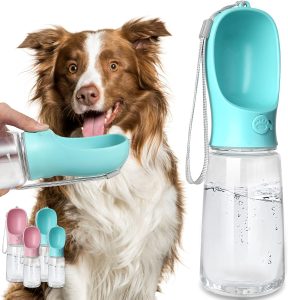
Kalimdor Dog Water Bottle, Leak Pro…
Product description Kalimdor Dog water bottles for walking, Dog Beach, Traveling, Hiking and Outdoor. Your Pet…
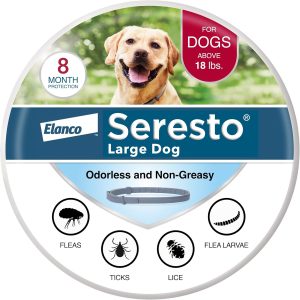
Seresto Flea & Tick Collar For…
Give your dog long-lasting protection against fleas and ticks with the number-one vet-recommended flea and tick…
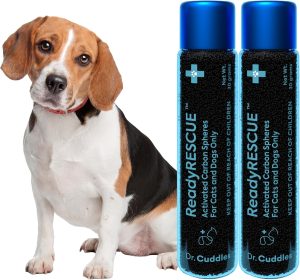
ReadyRESCUE Activated Charcoal micr…
From the brand Date First Available : April 10, 2026 Manufacturer : …
