
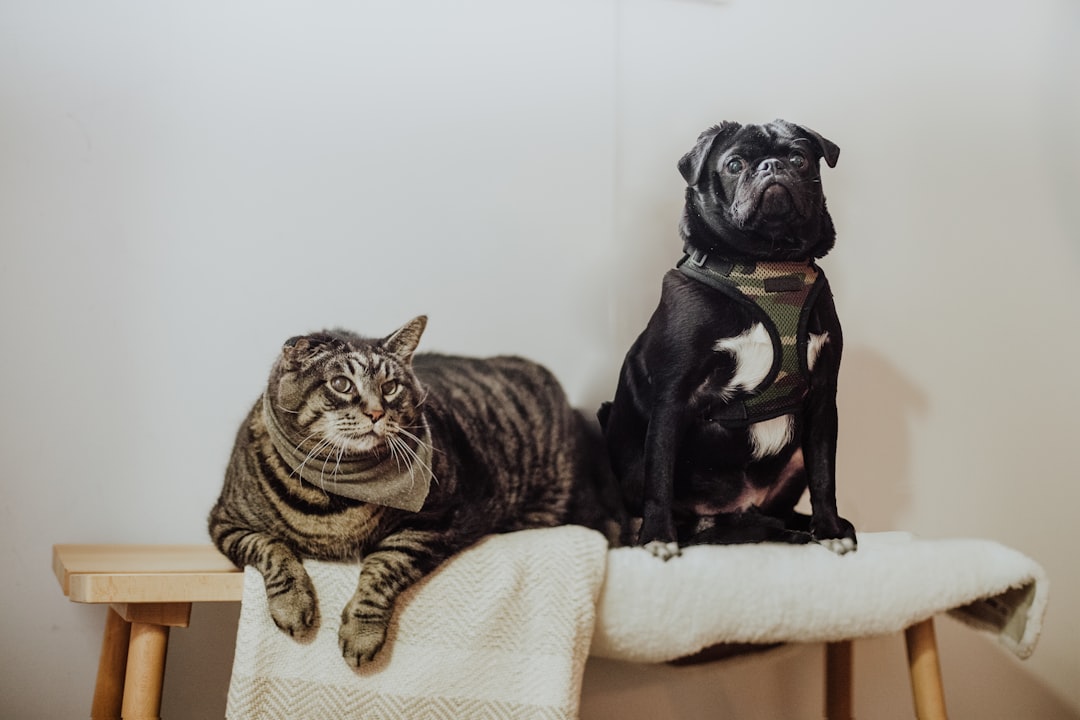
Keeping cats and dogs comfortable through each season takes planning, close observation, and a few smart products. With changing temperatures, pests, and activity levels, small adjustments in routine will protect health and reduce stress year-round.
This guide covers practical, actionable steps for summer heat, winter cold, spring and fall allergies, grooming, travel safety, and enrichment. Use the tips below to create a predictable, comfortable environment for both species — whether you live in a city apartment or a rural home.
Understanding seasonal needs for cats and dogs
Both species respond to seasonal changes differently. Dogs often need more outdoor exercise in fair weather but face heat and parasite risks in summer; cats tend to stay indoors more in winter and may need added enrichment. Small changes to feeding, grooming, and routines prevent common seasonal issues like dehydration, matting, flea infestations, and stress.
Simple environmental updates — a sunny perch for a cat, cooled resting spots for a dog — are high-impact. Consider installing a dedicated spot for observation and warmth like a Cat Window Perches so indoor cats get sunlight and mental stimulation without outdoor exposure.
Summer: prevent overheating and maintain hydration
Signs of heat stress include excessive panting, lethargy, drooling, or weakness. Avoid midday walks on hot pavement; walk early morning or late evening. For active dogs, offer frequent water breaks and shade during play. A portable water solution makes outings safer and more convenient — a Kalimdor Dog Water Bottle is handy on walks, hikes, or trips to keep your dog hydrated without spills.
Indoors, keep cool zones available: tile floors, cooling mats, or fans directed away from pets to circulate air. Never leave pets in parked vehicles. For cats, monitor grooming — long-haired breeds may need light trimming or deshedding to reduce insulation that traps heat.
Winter: warmth, paw care, and stress during storms
Cold, ice, and road salts create hazards. Short-haired or small dogs and senior pets may need a sweater or vest during outdoor time. Trim fur between paw pads and rinse paws after walks to remove salt and de-icing chemicals. Create warm resting areas with insulated bedding above cold floors.
Many pets become anxious during winter storms, which increases pacing and hiding. For dogs that show anxiety, a calming vest can reduce stress during noises and storms; consider supportive options like the ThunderShirt for Dogs for predictable situations such as thunderstorms or fireworks.
Spring and fall: parasites, allergies, and routine adjustments
Transitional seasons bring ticks, fleas, and increased pollen. Check both dogs and cats regularly for parasites after outdoor time. A seasonal flea prevention plan is essential — talk with your veterinarian about the right product for your pet and consider physical protection like Dog Flea Collars as part of a broader prevention strategy.
Allergy signs include increased scratching, ear inflammation, watery eyes, or sneezing. Change bedding more frequently during pollen seasons and wipe paws after outdoor time to reduce allergen transfer indoors.
Grooming & coat care: year-round maintenance
Regular grooming reduces mats, removes loose hair, and helps you spot skin issues early. For cats, grooming prevents hairballs and distributes natural oils. Use tools suited to coat type and frequency: soft-bristled brushes for short-haired cats, de-shedding tools for long-haired breeds.
Tools designed for comfort make grooming easier for both you and your pet. Gentle products like Cat Grooming Gloves help remove loose hair while massaging the skin, and structured brushes can detangle and collect undercoat — consider Cat Brushes for regular sessions. Don’t forget nail maintenance: keeping nails trimmed prevents snagging and reduces injury risk — a reliable Cat Nail Clippers should be part of every household kit.
Keep grooming sessions short and positive. Break sessions into 5–10 minute routines, reward with treats, and stop if the pet becomes overly stressed.
Travel and outdoor safety for all seasons
Whether it’s a vet visit or a weekend getaway, safe transport keeps pets calm and protected. For small dogs or stressed cats, a soft-sided or structured carrier reduces movement and provides a consistent space — a dependable option is the Dog Carriers category, which also includes pieces useful for cats and small dogs on the move.
Prepare for weather-specific travel: in summer, bring shade and a portable water bottle; in winter, carry extra blankets and a towel to dry a wet pet. Always secure a carrier in the vehicle or use a harness/booster seat to protect pets in sudden stops.
Enrichment, exercise, and mental health
Seasonal adjustments to exercise and enrichment prevent boredom and destructive behaviors. On hot or icy days, bring training, puzzle toys, and indoor fetch into the routine. Short, frequent walks and indoor play keep energy levels balanced while avoiding weather extremes.
Rotate toys and introduce scent games for dogs and hiding treats or climbing opportunities for cats. Window perches provide visual stimulation without outdoor exposure, and consistent daily routines provide stability across seasons.
- Check water and food levels daily; provide fresh water at room temperature.
- Inspect fur and skin weekly for fleas, ticks, hot spots, or dryness.
- Trim nails and brush coats regularly; keep clipping sessions short.
- Prepare a travel kit: carrier, towels, portable water bottle, and first-aid basics.
- Adjust outdoor time: avoid midday heat and icy conditions; use shaded routes in summer.
FAQ
- Q: How often should I groom my pet by season?
A: Short-haired pets: weekly brushing year-round; long-haired or heavy-shedding pets: 2–3 times weekly in shedding seasons, daily for heavy blowouts. - Q: Can indoor cats get fleas in summer?
A: Yes — fleas can be brought in on shoes or other pets. Regular checks and a vet-approved prevention plan help reduce risk. - Q: My dog pants a lot in summer — when is it an emergency?
A: Excessive panting with drooling, weakness, collapse, or disorientation warrants immediate veterinary care. Short, light panting in heat is normal, but monitor closely and cool them down. - Q: Are calming vests safe for all dogs?
A: Calming vests are safe for many dogs and can reduce anxiety during storms or travel; consult your vet for severe anxiety or if your dog has health issues. - Q: How do I protect paw pads in winter and summer?
A: Apply protective balms in winter, rinse paws after walks to remove salts, and avoid hot pavement in summer — test surface heat with your hand for at least 7 seconds.
Practical takeaway: assess your pet’s individual needs each season, maintain simple routines for hydration, grooming, parasite prevention, and enrichment, and keep a small travel and first-aid kit ready. Small, consistent steps prevent most seasonal problems and keep cats and dogs comfortable year-round.
Products Featured in This Article
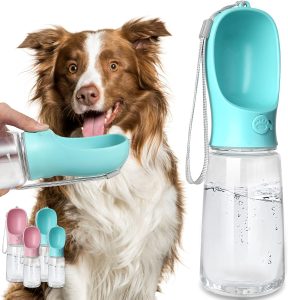
Kalimdor Dog Water Bottle, Leak Pro…
Product description Kalimdor Dog water bottles for walking, Dog Beach, Traveling, Hiking and Outdoor. Your Pet…
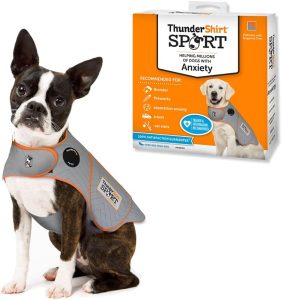
ThunderShirt for Dogs, X Small, Pla…
The ThunderShirt SPORT effectively treats anxiety, fear, and over-excitement in style. Designed for comfort, the breathable…
