
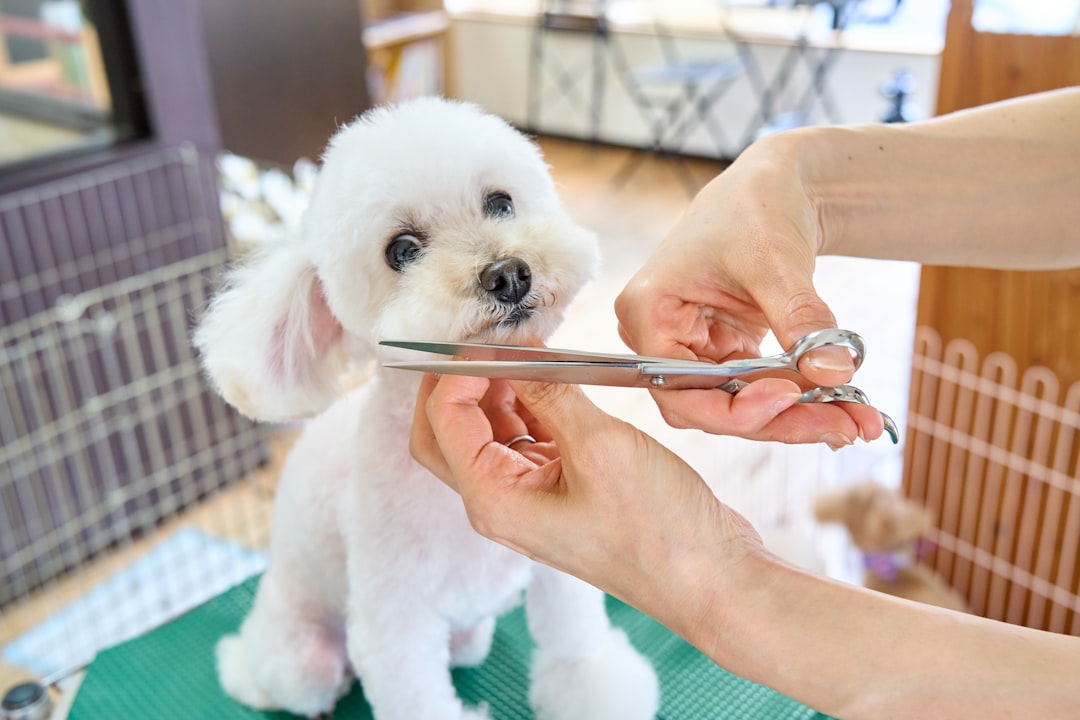
Grooming your cat or dog at home saves money, strengthens your bond, and keeps pets comfortable between professional visits. This guide walks through the tools, steps, and safety tips to groom both short- and long-haired pets effectively.
Read each section and adapt steps to your pet’s temperament and coat type. Use the recommended tools for the best results and always stop if your pet shows signs of severe stress or pain.
1. Tools and setup: what to have on hand
Set up a quiet, well-lit workspace with a non-slip mat, towels, and a stable surface. A compact grooming kit makes sessions faster and less stressful — consider an all-in-one option like the Docrok Pet Grooming Combo for brushing, dematting and finishing on both cats and dogs.
2. Brushing: frequency and technique
Brushing removes loose hair, distributes oils and prevents tangles. Short-haired pets need a quick brush once a week; long-haired breeds require daily or every-other-day brushing. Use gentle, short strokes in the coat’s growth direction, and check for mats near collars, armpits and behind the ears. For cat-specific tools, browse category options like Cat Brushes to match bristle type to fur length.
3. De-shedding and loose-hair control
Heavy shedders benefit from targeted de-shedding tools and grooming gloves. These tools are also helpful during bath time to remove dead hair before it clogs drains. A useful product is the NVNAN Pet Hair Removal Glove, which combines deshedding and gentle massage to make sessions more pleasant for your pet.
4. Bathing: when, how, and what to use
Bathe only as needed—most dogs and nearly all cats require fewer baths than many owners think. Use lukewarm water, a pet-formulated mild shampoo, and avoid getting soap in eyes or ears. Rinse thoroughly and towel-dry, then use a blow dryer on low heat only if your pet tolerates it. Work quickly to minimize stress and check the skin for irritation or fleas while wet.
5. Nail trimming: tips for calm, safe trims
Trim nails every 3–6 weeks depending on activity. For dogs and cats that tolerate handling, hold the paw gently and trim small amounts from the tip. For dogs choose reliable clippers like the gonicc nail clippers which include a safety guard. For cats or small sensitive nails, consider tools designed specifically for felines: Cat Nail Clippers are sized to reduce crush and give better control.
6. Ears, eyes and paw care
Check ears and eyes at every grooming session. Wipe around eyes with a damp, soft cloth and remove discharge; use a cotton ball (never a Q-tip) to clean the outer ear and keep it dry. If you see redness, foul odor, heavy debris or excessive scratching, pause grooming and consult a veterinarian. Keep styptic powder and a basic kit nearby—browse Dog First Aid Supplies so you’re prepared for small nicks or emergencies when trimming or dematting.
7. Dental care as part of grooming
Include oral health in regular grooming: brush teeth regularly, offer dental chews, and inspect gums for swelling or bad breath. Daily brushing is ideal, but weekly is better than none. For additional products and guides on maintaining mouth health alongside grooming, check the Dog Dental Care category for toothbrushes, toothpaste and supplemental aids.
8. Clippers, trimming and coat shaping
For breeds that require trims, use low-vibration, sharp clippers and start slowly. Keep blades cool and check for pulled hair. If your dog has a thick or matted coat, a powerful, low-noise unit like the oneisall Dog Clippers can make clipping faster and reduce stress for both of you. Never attempt major breed-specific cuts without training; practice with short, safe trims first.
9. Handling anxious or uncooperative pets
Plan short sessions, use high-value treats, and praise frequently. If your pet becomes very anxious, stop and try again later. Break tasks into 2–5 minute steps—brushing, then a treat, then nail file, then a treat. Enlist a second person to gently hold or distract if necessary, and consider short acclimation sessions to tools before full grooming.
Quick grooming checklist
- Gather tools: brush, de-shedding glove, shampoo, towels, clippers, nail trimmers, styptic powder.
- Secure non-slip surface and good lighting.
- Brush first to remove knots and loose hair.
- Check skin, ears, eyes, and paws for issues.
- Bathe only when needed; rinse thoroughly and dry.
- Trim nails carefully; stop if you hit the quick.
- Brush teeth or provide dental chew after grooming.
- Reward your pet and end on a positive note.
FAQ
- How often should I bathe my pet? Most dogs benefit from baths every 4–8 weeks depending on activity and odor. Cats typically need bathing only if dirty or under vet guidance.
- Can I use human shampoo on my pet? No—use a pet-formulated shampoo. Human products can strip natural oils and irritate skin.
- What if my pet struggles with nail trims? Trim a single nail then stop and reward; use desensitization over weeks. If trimming is unsafe, seek a professional groomer or vet.
- How do I deal with mats? Start by locating the base of the mat, hold the fur near skin to avoid pulling, and carefully work through with a dematting tool. Severe mats may require trimming or professional attention.
- When should I see a vet or professional groomer? If you find skin sores, persistent odor, excessive matting, bleeding you can’t control, or behavioral distress during grooming, stop and consult a professional.
Practical takeaway: build a simple, repeatable grooming routine using the right tools, short sessions, and positive reinforcement. Start slow, reward progress, and keep emergency supplies handy so at-home grooming stays safe and comfortable for your pet.
Products Featured in This Article
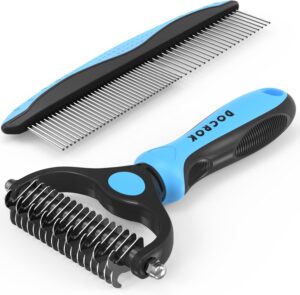
Docrok Pet Grooming Combo – B…
Product description Made of 100% rust-resistant stainless steel and premium TPR handle, Docrok dog brush and…
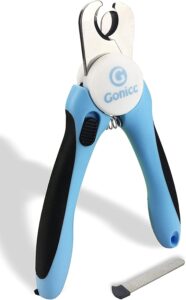
gonicc Dog & Cat Pets Nail Cli…
Product description Add to Cart Add to Cart Customer Reviews 4.4 out of 5 stars 184…
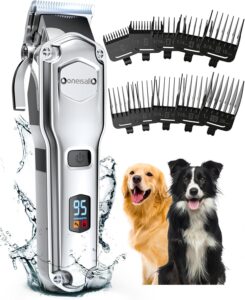
oneisall Dog Clippers for Grooming …
Product description 1 Dog clippers for thick 2 Battery Display 3 Safety Lock 4 Digital display…
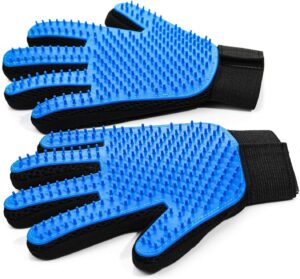
NVNAN Pet Hair Removal Glove for Do…
Product description Package Dimensions : 9.49 x 6.34 x 0.55 inches; 4.16 ounces Item…
