Simple Ways to Keep Cats and Dogs Mentally Active Indoors
Keeping pets mentally stimulated is as important as meeting their physical needs. Boredom can lead to destructive behaviors, excess energy, or anxiety — but a few intentional activities each day can make a big difference.
This guide offers practical, easy-to-implement strategies for both cats and dogs, with product suggestions you can use to build a simple indoor enrichment routine that fits your home and schedule.
Understand what mental enrichment looks like
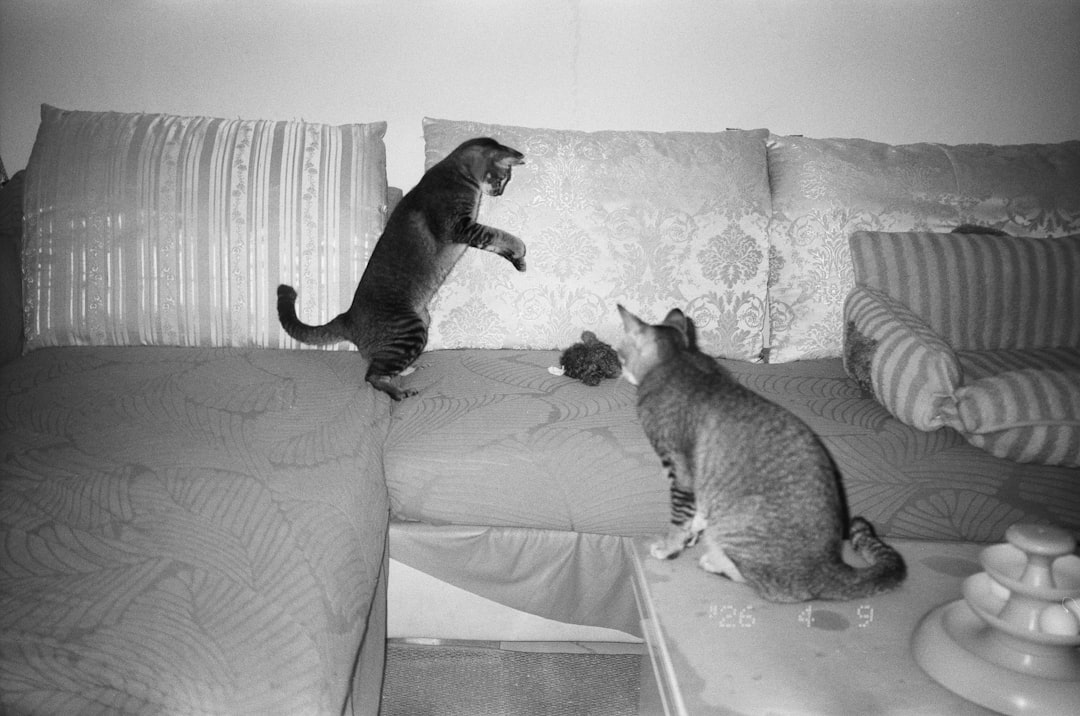
Mental activity for pets is any task that challenges their brain: problem solving, scent work, short training drills, and novelty. Dogs often thrive on goal-oriented tasks like finding treats or learning cues. Cats benefit from hunting-style games, puzzle feeders, and interactive play that mimic stalking and pouncing.
Rotate a variety of toys and keep novelty
Rather than leaving all toys out, rotate a small set every few days. This renews interest without spending more money. Include chewable toys, balls, and tug toys appropriate to size and chewing strength.
Small pups and playful dogs often prefer soft chew and fetch options — look for dedicated starter items in the puppy selection to build a basic rotation: Puppy Toys.
Use food puzzles and slow-dispensing toys
Food puzzles create a reward-based task that takes time and focus. For dogs that retrieve and chew, a durable interactive ball that dispenses kibble or treats can extend mealtime into an active event. Choose a size and hardness suited to your dog’s chewing habits — long-lasting interactive options are especially useful on busy days: WOOF Pupsicle.
Short training sessions: 5–10 minutes, multiple times daily
Training engages the mind, reinforces good manners, and deepens your bond. Keep sessions short, fun, and reward-based. Clicker training is an efficient way to mark desired behaviors, then reward immediately. For a consistent approach, a clicker combined with easy-access treats makes practice quick and tidy: Dog Clickers and a practical treat system like a training pouch helps you keep rewards at hand: Dog Training Treat Pouches.
Nose work and scent games
Scent work is mentally exhausting in a good way and requires minimal space. Start with simple “find it” games: hide treats under cups, behind furniture, or along a short trail. Increase difficulty by using boxes, layered fabrics, or scent-specific detection games (different treats or a favored toy).
For dogs with a strong prey drive, hiding toys inside folded towels or low boxes replicates hunting and raises engagement. For supervised indoor fetch that’s gentler on floors and furniture, include tug and durable toys in your routine: Fida Dog Rope Toys.
Grooming and tactile enrichment for cats
Grooming sessions are mentally enriching for many cats, especially when combined with gentle brushing, short play bursts, and treat rewards. Brushing helps reduce shedding and creates quiet bonding time; use a brush that matches your cat’s coat type and make sessions pleasant and predictable: Cat Brushes.
For households with heavy shedders, quick grooming tools can also become an interactive ritual: use a hair removal tool before offering a high-value treat or a short chase session to turn grooming into an anticipated activity: Cat Hair Removers.
Calming tools and rest-focused enrichment
Mental activity should be balanced with predictable times for rest. Some pets need extra help settling after a high-energy session or during changes in routine. Calming wraps or vests can reduce stress and make it easier for pets to relax between enrichment activities. Consider a proven calming option when your pet is anxious during thunderstorms, guests, or travel: ThunderShirt for Dogs.
Set up a simple weekly schedule
Consistency helps pets know what to expect and when. A sample day could include a morning scent game, mid-day short training/trick practice, afternoon puzzle-feeding, and evening interactive play or grooming. Mix low-energy and high-focus activities so pets can expend mental energy without overstimulation.
Checklist: Quick daily enrichment
- Morning: 5–10 minute nose work or toy hunt
- Midday: 5-minute training with clicker/treat (repeat cues)
- Afternoon: 10–20 minutes puzzle toy or food-dispensing ball
- Evening: 10 minutes grooming or interactive play
- Rotate toys every 3–5 days to maintain novelty
- Provide a calm, predictable rest spot after active sessions
FAQ
- How often should I change toys? Rotate small sets every 3–7 days. Too frequent changes can be overwhelming; too infrequent causes boredom.
- What if my cat or dog ignores puzzle toys? Start with extremely easy placements of high-value treats so they experience quick success, then slowly increase difficulty.
- How long should training sessions be? Keep sessions short: 5–10 minutes multiple times per day is better than one long session.
- Can indoor enrichment replace walks? No. While enrichment reduces boredom, dogs still need physical exercise and outdoor sensory exposure. Combine both when possible.
- Are calming vests safe for all pets? Most are safe when used as directed; observe your pet for comfort and remove if they show signs of distress.
Conclusion — practical takeaway
Small, regular investments of time and a handful of well-chosen tools make a big difference. Build a short daily schedule that mixes scent work, puzzle feeding, short training, and grooming. Rotate toys and include calming moments so play stays positive and sustainable. With these simple steps, your indoor environment becomes both stimulating and comforting for your cat or dog.
Products Featured in This Article
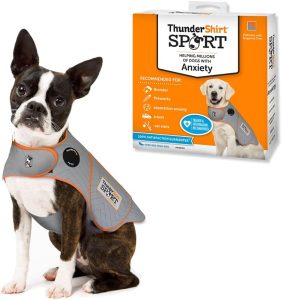
ThunderShirt for Dogs, X Small, Pla…
The ThunderShirt SPORT effectively treats anxiety, fear, and over-excitement in style. Designed for comfort, the breathable…
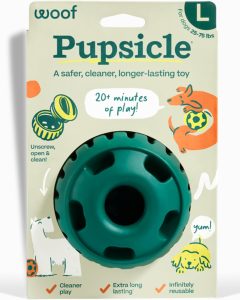
WOOF Pupsicle – Long-Lasting …
Product description The video showcases the product in use.The video guides you through product setup.The video…

Fida Dog Rope Toys for Large/Medium…
Product description The video showcases the product in use.The video guides you through product setup.The video…
