

How to Help Your Cat and Dog Adjust to a New Home
Moving is stressful for people and pets alike. Cats and dogs experience the upheaval differently, but both need a calm, consistent approach to settle in quickly and safely. With a few practical steps you can reduce anxiety, prevent problem behaviors, and help your pets feel at home.
This guide covers preparation, transport, introductions, daily routines, enrichment, and safety essentials so your cat and dog can transition smoothly. Follow the checklist and FAQs at the end for quick reference.
1. Prepare the space before arrival
Before you bring pets into the new house, set up dedicated zones: a quiet room with their bed, food and water bowls, litter box for cats, and favorite toys. Keeping one room intentionally familiar reduces overwhelm and gives them a controlled area to explore first.
Update identification and contact information ahead of the move so pets don’t lose their chance to be returned if they bolt during the transition. Put updated info on collars and tags, or order new dog ID tags right away if needed.
2. Transport: carriers and secure travel
Transport is often the most frightening part of moving. For cats and small dogs, a stable, well-ventilated carrier provides a safe retreat. Choose a carrier that zips closed securely, has soft bedding, and allows visibility so your pet isn’t trapped in total darkness.
For small- to medium-sized pets, a soft-sided travel carrier can be easier to carry and place in a quiet corner while you settle in — consider a well-reviewed option like the BALEINE cat carrier for comfortable, secure transport.
3. Car safety and comfort
If you’re driving to your new home, secure dogs in the vehicle to reduce motion stress and prevent them from jumping out during stops. A booster-style car seat or a crash-tested dog seat helps small dogs feel secure and lets them look out the window without sliding around.
For larger dogs or multiple pets, choose appropriate restraints and consider a dedicated pet seat solution to keep everyone safe and calm. Product solutions like dog car seats can make the ride safer and reduce anxiety-related motion sickness.
4. Create a “safe zone” and use calming supports
Once inside, place your cat or dog in their prepared safe room for several hours to a few days depending on how stressed they are. Keep the environment quiet, dim the lights, and let them approach on their own terms. Put familiar-smelling bedding and toys in this space.
If anxiety remains high, consider a proven calming aid. A snug anxiety wrap or calming vest can lower arousal during the first 48–72 hours. For dogs that visibly pace or whine, a product like the ThunderShirt for dogs provides gentle pressure that many pets find soothing.
5. Introductions between pets — slow and structured
When introducing a resident pet to a newcomer, plan slow, controlled interactions. Start by swapping scents: rub a towel on one pet, then leave it with the other. Allow them to see each other at a distance through a door or baby gate before any face-to-face meetings.
During early meetings, reward calm behavior liberally. Carry high-value treats and keep pets on leashes if needed so you can reduce tension quickly. A dog training treat pouch is handy to keep rewards accessible and hands-free during introductions and training sessions.
6. Establish routine and boundaries
Pets feel secure with routine. Keep feeding, walks, and play times consistent from the first full day. For cats, maintain litter box location and scoop schedule; for dogs, regular walks and potty breaks establish expectations and prevent accidents inside.
Set clear boundaries about where pets are allowed to go. If furniture access or certain rooms are off-limits, enforce those rules from day one so pets learn quickly what’s expected without confusing mixed signals.
7. Enrichment, play, and grooming
Boredom and under-stimulation make adjustment harder. Rotate toys, add puzzle feeders, and schedule short training sessions to give pets mental stimulation. For dogs that need active play, durable toys like rope tugs or balls encourage natural behaviors.
Grooming helps pets feel cared for and is a good bonding activity. Brush your cat to remove loose fur and calm them; lightweight, comfortable brushes make the experience positive. Use a quality cat brush suited to your cat’s coat to reduce stress during grooming.
8. Safety and health essentials
Keep a small first aid and emergency kit within reach. Accidents happen more often during transitions — pets can get scratched, step on hazards, or ingest something they shouldn’t. A veterinary-grade emergency binder or basic first aid kit helps you respond immediately before you reach a vet.
For travel and at-home emergencies, consider adding an activated-charcoal emergency binder and other essentials to your kit. Ready-to-use items like ReadyRESCUE activated charcoal are useful components, but always call your veterinarian or emergency clinic for guidance after any ingestion or injury.
Checklist: Quick actions for moving day
- Confirm collars/tags are updated and secure.
- Pack a familiar blanket, a couple of favorite toys, and food in separate, labeled bags.
- Place pets in carriers or secure seating for travel; minimize last-minute door traffic.
- Set up a quiet “safe room” with litter, food, water, bedding, and toys before arrival.
- Have treats on hand and a training pouch for introductions and positive reinforcement.
- Create a basic first-aid kit and note local emergency vet contact numbers.
FAQ
-
Q: How long will it take my pet to adjust?
A: Adjustment varies. Many pets begin showing comfort within a few days, but full normalization can take weeks. Keep routines consistent and be patient; gradual exposure speeds the process.
-
Q: Should I let my cat roam immediately?
A: No. Start with a single quiet room so the cat can explore safely. After several days, gradually open more spaces once they consistently use the litter box and show relaxed behavior.
-
Q: What if my dog tries to bolt out doors?
A: Use secure leashes and have a family member manage exits during the first week. Practice calm door manners indoors: leash up, wait, and reward for sitting before opening the door.
-
Q: Is professional help worth it?
A: If anxiety or aggression is severe, consult a veterinarian or certified behaviorist. For training basics and reinforcement, gentle tools like reward pouches and clickers help, but professionals address complex issues safely.
-
Q: Any quick tools to reduce travel stress?
A: Secure carriers, restraint systems, calming vests, and brief acclimation sessions in the car can help. For small dogs, booster seats or car seats also stabilize and reduce motion anxiety.
Conclusion
The key to a smooth transition is planning, patience, and predictable routine. Prepare a quiet safe room, secure transport, and calming supports; use positive reinforcement during introductions and keep daily schedules consistent. Small, steady investments of time and structure will help both your cat and dog feel at home faster.
If you need a few practical items to get started—like a travel carrier, calming vest, treat pouch, or identification tags—the right products make the move easier and safer for everyone.
Products Featured in This Article

BALEINE Cat Carrier, Puppy Dog Carr…
Product description Product Dimensions : 19 x 12 x 12 inches; 2.27 Pounds Item…

ThunderShirt for Dogs, X Small, Pla…
The ThunderShirt SPORT effectively treats anxiety, fear, and over-excitement in style. Designed for comfort, the breathable…
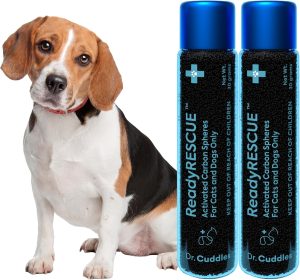
ReadyRESCUE Activated Charcoal micr…
From the brand Date First Available : April 10, 2026 Manufacturer : …
