

How to Keep Indoor Cats Active, Happy, and Healthy
Indoor cats live long, safe lives — but they need intentional care to stay active, mentally engaged, and physically healthy. Simple changes to your home, daily routine, and grooming approach can prevent boredom, obesity, and behavior issues.
This guide gives practical strategies you can start today: environmental enrichment, play routines, feeding tactics, grooming and dental care, safety and travel tips, and a compact checklist to track progress.
Design a stimulating indoor environment
Cats are natural climbers and hunters. Give them vertical space (shelves, tall cat trees), multiple resting spots by windows, and hiding places where they can observe and pounce. Rotate perches and move a box or new blanket into a favorite sunspot to renew interest.
Place scratching surfaces in high-traffic and quiet areas to protect furniture and encourage natural scratching. Consider a small low-shelf or a window perch to create a “command center” where your cat can watch wildlife safely from inside.
Build a daily interactive-play routine
Active cats benefit from two to three short interactive sessions each day (5–15 minutes each). Use wand toys, laser pointers (end sessions with a tangible toy to avoid frustration), and feather teasers. Morning play helps burn energy before the day; evening sessions mimic crepuscular hunting peaks.
Keep sessions consistent and aim for variety: one session focused on stalking and chasing, another on sprinting and jumping. Use a mix of high-intensity bursts and slower stalking games to mimic natural behavior and improve fitness.
Use food puzzles and portion control
Turn meal time into exercise with puzzle feeders and slow bowls. They slow eating, provide mental stimulation, and make your cat “work” for calories. For multi-cat households, use puzzle feeders that require different solutions or place cats in separate rooms for meal times.
Monitor weight and adjust portions as needed; consult your veterinarian for target weight and caloric needs. For senior cats, use softer food textures and shallow dishes if dental issues exist.
Coat care: brushing, de-shedding, and calm grooming
Regular brushing reduces shedding, prevents hairballs, and strengthens the bond between you and your cat. For daily maintenance and removing loose undercoat, a deshedding glove can be gentle and efficient; try the Upgrade Efficient Pet Hair Remover Gloves for regular brushing sessions.
For deeper grooming or matted areas, a proper de-shedding brush is useful. A combo grooming tool that includes both a metal comb and deshedding blade helps detangle and remove loose fur without pulling the skin; consider the Docrok Pet Grooming Combo for this purpose.
If your cat is sensitive to noise, low-vibration clippers can make coat trims and sanitary clips less stressful; a quiet model designed for pets can help. A low-noise option to explore is the oneisall Dog Clippers Low Noise, appropriate for cautious cats when used carefully.
Nail care and safe trimming at home
Trim nails every 2–4 weeks depending on activity. Teach your cat to tolerate brief handling: touch paws, offer treats, and trim one or two nails per session if needed. Use a sharp, comfortable trimmer designed for pets to reduce crushing or splitting.
For precise, safe trimming, a dedicated pet nail clipper with a safety guard is recommended. The gonicc Nail Clippers are built for accuracy and include a guard to help prevent overcutting.
If you need more powerful blades for thick, matted fur or longer sessions, a heavier-duty clipper can be useful; for tough jobs consider the oneisall Dog Clippers for Grooming, but only use clippers after gradual desensitization and, when in doubt, seek professional groomer help.
Dental care and nutrition basics
Oral health affects overall health. Daily toothbrushing with feline toothpaste is best, but supplements and powders can help between brushings. A clinically formulated oral powder supports plaque and tartar control; for cats, consider ProDen PlaqueOff Powder for Cats as part of a dental routine recommended by many owners.
Balanced nutrition, regular weight checks, and limiting treats help prevent metabolic disease. Discuss special diets and treat allowances with your veterinarian, especially for indoor or older cats.
Safety, travel, and emergency preparedness
Even indoor cats need secure carriers for vet trips, boarding, or evacuations. Use a sturdy, well-ventilated soft-sided carrier that clips closed and gives the cat space to turn and lie down; the BALEINE Cat Carrier is an example of a comfortable, collapsible option for small and medium pets.
Keep a small first-aid kit and emergency supplies on hand. For accidental ingestion or certain poisoning events, a trusted product like veterinary-grade activated charcoal can be part of first-response measures until you reach a veterinarian; see ReadyRESCUE Activated Charcoal. Always call your local emergency vet or animal poison control before administering any treatment.
Behavioral enrichment for mental health
Indoor cats need cognitive challenges. Introduce puzzle feeders, scent trails (cotton balls dabbed with cat-safe herbs), and training games using clicker or marker training for simple cues like “sit” or “target.” Short training sessions provide mental exercise and strengthen your relationship.
Address problem behaviors proactively: add more vertical space for shy cats, create quiet retreats for overstimulated cats, and add play sessions to reduce night-time activity that disturbs households.
Checklist: Daily and weekly care
- Daily: 10–20 minutes of interactive play (2–3 sessions) and fresh water refill.
- Daily: Food puzzle or feeding enrichment for at least one meal.
- Weekly: Brush with deshedding glove or grooming tool; inspect coat for mats.
- Every 2–4 weeks: Check and trim nails as needed.
- Monthly: Inspect teeth, consider dental powder as recommended.
- Annually: Wellness exam and vaccinations as advised by your vet.
FAQ
How much play does an indoor cat need?
At minimum, 20–30 minutes daily of directed play split into short sessions; adjust for age and health.
Are puzzle feeders safe for all cats?
Most cats benefit, but supervise initial use to ensure the cat can solve the device without frustration and to prevent hogging in multi-cat homes.
How often should I groom my long-haired cat?
Daily brushing prevents mats and reduces hairballs; short-haired cats benefit from brushing 1–3 times per week.
Can I trim my cat’s nails at home?
Yes, with gradual training and the right tool. Trim small amounts regularly and stop if the cat struggles; seek professional help if needed.
What should I pack in an emergency kit for my cat?
Carrier, leash or harness, food, water, recent medical records, medication, a small first-aid kit, and emergency contact numbers for your vet and local animal hospital.
Conclusion: One manageable change today
Pick one change to start this week — add a 10-minute play session each morning, introduce a puzzle feeder at one meal, or try a short grooming session with a deshedding glove. Small, consistent steps produce healthier, happier indoor cats over time.
Products Featured in This Article
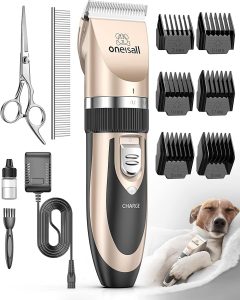
oneisall Dog Clippers Low Noise, Do…
Product description Low Noise Won’t Scare Your Pets oneisall Clippers: Tailoring Your Grooming Experience Add to…
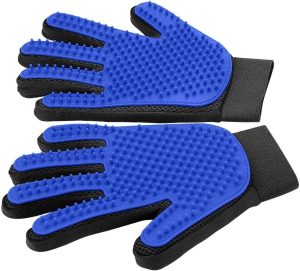
Upgrade Efficient Pet Hair Remover …
Product description Is Discontinued By Manufacturer : No Product Dimensions : 9…

BALEINE Cat Carrier, Puppy Dog Carr…
Product description Product Dimensions : 19 x 12 x 12 inches; 2.27 Pounds Item…

ProDen PlaqueOff Powder for Cats &#…
Product description Is Discontinued By Manufacturer : No Product Dimensions : 2.72…

ReadyRESCUE Activated Charcoal micr…
From the brand Date First Available : April 10, 2026 Manufacturer : …

Docrok Pet Grooming Combo – B…
Product description Made of 100% rust-resistant stainless steel and premium TPR handle, Docrok dog brush and…

gonicc Dog & Cat Pets Nail Cli…
Product description Add to Cart Add to Cart Customer Reviews 4.4 out of 5 stars 184…

oneisall Dog Clippers for Grooming …
Product description 1 Dog clippers for thick 2 Battery Display 3 Safety Lock 4 Digital display…
