
How to Keep Your Pet Calm During Loud Noises and Storms
Storms, fireworks, and sudden loud noises can send many pets into panic. With preparation, consistent routines, and the right tools, you can reduce your pet’s anxiety and keep them safer and more comfortable when noise strikes.
This guide gives practical strategies you can start using today: environment adjustments, calming products, training techniques, simple distractions, and emergency planning to minimize stress for both you and your pet.
Understand how your pet shows anxiety
Recognize signs of noise-related stress: pacing, panting, shaking, hiding, drooling, excessive vocalizing, or escape attempts. Different pets and breeds vary in sensitivity; younger animals and rescues often need more time. Note when symptoms begin (before the noise or only during) to choose the best approach.
Create a predictable safe space
Designate a low-noise “den” where your pet can retreat. Choose a small, interior room without windows or with heavy curtains. Keep familiar bedding, toys, and a water bowl inside. For some pets, a portable carrier provides the enclosed, secure feeling they need—especially useful if you need to move them quickly. Consider a reliable soft-sided option like the BALEINE Cat Carrier for small to medium pets.
Use garments and proven calming products
Compression garments and targeted calming supplements can reduce fight-or-flight responses. A snug vest applies gentle, constant pressure—many owners report quieter, steadier breathing and less trembling. The market includes specific options such as the ThunderShirt for Dogs, which is designed to calm during storms or fireworks.
If you prefer to review a range of options, look for products classified under Dog Calming Products—these typically include vests, pheromone diffusers, and natural supplement choices. Always follow dosing instructions and consult your vet if your pet has health issues or takes other medications.
Train for resilience: desensitization and counter-conditioning
Training can change how your pet interprets loud sounds. Two structured approaches work well:
- Desensitization: Gradually expose your pet to low-level recordings of the noises and slowly increase volume over weeks while keeping the pet relaxed.
- Counter-conditioning: Pair the noise with something positive—treats, play, or a favorite toy—so your pet learns to expect good things when the sound occurs.
Tools that combine clicker training and quiet whistles make this process straightforward. A starter set like the BARKIE Dog Training Kit includes clickers and an ultrasonic whistle to help shape calm responses. Keep rewards handy in a Dog Training Treat Pouches so you can reinforce calm behavior immediately.
Distract and enrich to shift attention
During a noisy event, redirecting attention to a high-value activity reduces fear. Long-lasting chew toys, puzzle feeders, or interactive balls occupy both mind and mouth—chewing itself can be calming. A durable, low-mess option like the WOOF Pupsicle can help keep medium and large dogs engaged while noise fades.
Travel and evacuation planning for noisy weather
If you may need to transport your pet during a storm, plan ahead to reduce stress. Secure seats using a crash-tested dog restraint or a booster car seat designed for pets; having a familiar space in the vehicle prevents extra anxiety. Explore suitable options in the Dog Car Seats category.
Always have identification ready in case your pet bolts during a storm. Make sure collars and tags are updated; a visible tag greatly increases the chance of a quick reunion. See durable options under Dog ID Tags.
Night-of-storm routine: step-by-step
On the night of expected loud noise, follow a consistent routine:
- Start calm: Keep your own voice low and movements slow.
- Create the den: Pre-position bedding, carrier, and familiar scents in the safe room.
- Apply compression garment early if used (don’t force it during peak panic).
- Play low-level white noise or soft music to mask sudden spikes.
- Offer enrichment: Give the pupsicle toy or a puzzle feeder while the noise occurs.
- Reward calm behavior—ignore panic to avoid reinforcing it.
When to seek professional help
If your pet’s reactions include self-harm, persistent escape attempts, or worsening over time despite training and management, consult a veterinarian or a certified animal behaviorist. They can recommend behavior modification plans and, when appropriate, short-term medication to enable training. No solution guarantees complete elimination of fear, but professionals can significantly improve quality of life.
Quick checklist
- Designate and stock a quiet safe space or carrier (BALEINE Cat Carrier).
- Have a calming vest and a range of Dog Calming Products on hand.
- Practice desensitization with a clicker kit and treat pouch (BARKIE Dog Training Kit, Dog Training Treat Pouches).
- Keep long-lasting toys ready (WOOF Pupsicle).
- Update ID tags and plan transport options (Dog ID Tags, Dog Car Seats).
FAQ
- Can I force my pet to wear a calming vest?
No. Introduce garments gradually so your pet associates them with treats and comfort. - How long does desensitization take?
It varies. Some pets improve in weeks, others need months. Consistency and small increments matter more than speed. - Are calming supplements safe?
Many are safe, but check ingredients and consult your vet if your pet is on medication or has medical conditions. - What if my pet escapes during a storm?
Act quickly: search local area, alert neighbors, and use updated contact info on a visible tag or microchip. Having current Dog ID Tags helps recovery. - Is it OK to comfort my pet by holding them?
Yes—calm, reassuring contact can help. Avoid unintentionally rewarding frantic behavior; soothe but try to redirect to a calm activity.
Conclusion
With preparation, the right tools, and gradual training, you can greatly reduce your pet’s fear during loud noises and storms. Start with a secure safe space, pick a few reliable calming aids, and practice desensitization before the next event—small, consistent steps yield the best results.
Products Featured in This Article
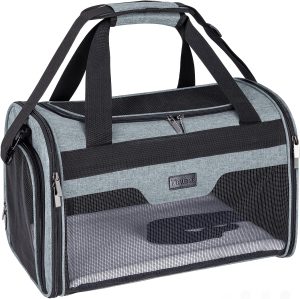
BALEINE Cat Carrier, Puppy Dog Carr…
Product description Product Dimensions : 19 x 12 x 12 inches; 2.27 Pounds Item…
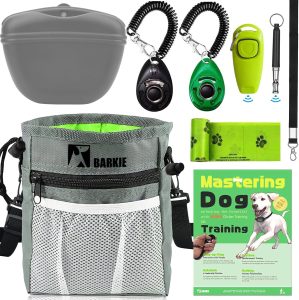
BARKIE Dog Training Kit – Tre…
Product description Add to Cart Add to Cart Add to Cart Customer Reviews 4.4 out of…
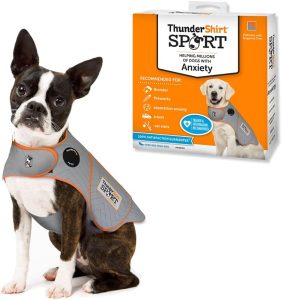
ThunderShirt for Dogs, X Small, Pla…
The ThunderShirt SPORT effectively treats anxiety, fear, and over-excitement in style. Designed for comfort, the breathable…
