How to Choose the Right Collar, Harness, or Leash for Your Pet
Choosing the right collar, harness, or leash isn’t just about style—it’s about safety, comfort, and control. The right gear helps your dog walk comfortably, respond to training, and stay safe at home and on the road.
This guide breaks down practical factors to consider for different ages, sizes, and behaviors, with clear tips to match gear to need so you can make informed choices quickly.
Know your dog: size, build, and behavior
Start with a realistic assessment of size and behavior. Measure neck and chest girth with a soft tape measure. Note whether your dog pulls, is easily startled, highly energetic, or has respiratory issues (brachycephalic breeds).
Small dogs often do best with lightweight collars or soft harnesses that distribute pressure. Large or strong pullers typically need a robust harness or a leash rated for their weight. Puppies need adjustable, lightweight solutions to grow with them.
Collars: types, fit, and when to use them
Flat buckle collars are the everyday standard—use them for ID tags, short walks, and home wear. Keep two fingers’ width under the collar for a safe fit. For visibility or style-conscious owners, there are many durable decorative options as well.
Never rely on a collar alone for a dog that consistently pulls hard; collars concentrate force on the neck and can cause injury. For tagging and everyday wear, choose a secure option and include an ID tag so you can be contacted if your dog gets loose. For quick browsing, check options for Dog ID Tags.
Harnesses: styles and when to pick one
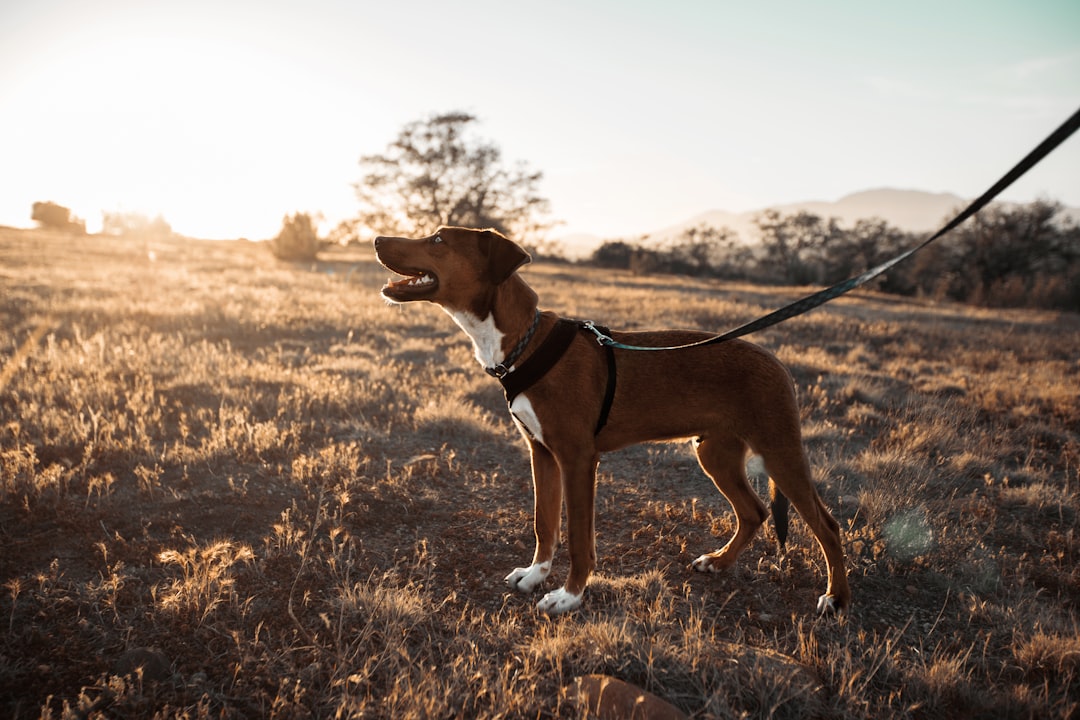
Harnesses come in front-clip, back-clip, and dual-clip designs. Front-clip harnesses discourage pulling by redirecting a dog’s motion; back-clip harnesses are comfortable for calm walkers and travel. Dual-clip harnesses give flexibility for training and control.
Look for padded straps across the chest and underarms, reinforced stitching, and multiple adjustment points to avoid rubbing. If you need a reliable starting point, browse sturdy and well-fitting Dog Harnesses that list adjustment ranges and weight recommendations.
Leashes: length, material, and control
Leash choice affects control and safety. Standard 4–6 ft leashes give close control and are the best default for most walks. Materials matter: nylon is durable and lightweight, leather offers durability and comfort, and rope leashes are strong and forgiving on the hand.
Retractable leashes give freedom at a distance but reduce control and can be hazardous around traffic, other dogs, or cyclists. Use them only where you can guarantee safety and recall. If you intend to use a retractable, select a high-quality design rated for your dog’s size; explore options in Retractable Dog Leashes.
Training and behavior tools: choose responsibly
Training collars (head halters, martingales, or specialized training collars) can be effective when used correctly by knowledgeable handlers. They are tools for guidance, not punishment. If you consider a training collar, pair it with consistent positive reinforcement and, when in doubt, consult a qualified trainer. See professional options under Dog Training Collars.
Always pair corrective or control tools with rewards and conditioning. A convenient treat pouch helps keep rewards handy during training sessions; consider a practical option like this Dog Training Treat Pouches to reinforce good behavior immediately.
Health, comfort, and safety considerations
Choose materials that won’t irritate skin—padded and breathable fabrics reduce chafing. For dogs with allergies or flea concerns, discuss flea prevention strategies with your vet and consider protective options; for instance, long-term protection is available via targeted products such as Dog Flea Collars, used according to package directions.
Check fit regularly—puppies grow quickly and adult dogs can gain or lose weight. Replace gear that shows fraying, rusting hardware, or compromised stitching. Inspect for hot spots where straps cross and swap to a different style if you notice rubbing or hair loss.
Travel and car safety: practical gear for trips
For car travel, secure restraint options keep both pet and passengers safer. Booster-style car seats are useful for small dogs and provide a contained spot with a tether point, while larger dogs benefit from seat covers and cargo restraints that prevent sliding. Browse seat-secure solutions like Dog Car Seats.
Protect your vehicle and create a stable surface for your dog by using heavy-duty, non-slip covers. A quality cover prevents damage and gives a cleaner, less stressful travel environment for your pet; see durable options under Dog Seat Covers.
Choosing gear by life stage
Puppies: Select lightweight, adjustable collars and harnesses. Soft, padded materials and a front-clip harness can teach loose-leash walking without neck strain.
Adults: Match strength and fit to behavior. Strong pullers benefit from no-pull harnesses or training collars used under guidance. Calm adults can use back-clip harnesses and standard leashes.
Seniors: Prioritize comfort and ease of use. Wider straps to distribute pressure, easy clips, and harnesses with handles for lifting or stabilizing can help. Avoid pressure on arthritic necks and consider gentle support harnesses if mobility is reduced.
Practical checklist
- Measure neck and chest; note weight and behavior.
- Choose harnesses for pullers; collars for ID and light use.
- Pick leash length based on control needs—4–6 ft for most walks.
- Confirm hardware (buckles, D-rings) is solid and rust-resistant.
- Inspect for rubbing points; choose padded or rounded straps when needed.
- Use travel restraints and seat covers for car safety.
- Replace gear that is worn or no longer fits.
Frequently Asked Questions
- How tight should a collar be? Two fingers should fit comfortably between the collar and your dog’s neck.
- When should I use a harness instead of a collar? Use a harness for persistent pullers, small breeds prone to tracheal damage, or anytime you need more distributed control.
- Are retractable leashes safe? They can be in controlled, open environments; avoid them around traffic, other dogs, or if you need immediate control.
- Can a flea collar be used with a harness? Yes—apply flea prevention per product instructions; ensure harness straps don’t rub off topical treatments.
- How often should I replace a collar or harness? Replace at the first signs of wear, and re-measure whenever your dog’s weight changes or every 6–12 months for active dogs.
Conclusion
Match gear to your dog’s size, behavior, and daily activities. Prioritize fit, durable hardware, and comfort. Start with the checklist above, test items for short periods to confirm fit, and update gear as your dog’s needs change. A well-chosen collar, harness, and leash make walks safer and more enjoyable for both of you.
