

A Complete Guide to Pet Hygiene for Cats and Dogs
Good hygiene keeps pets healthy, comfortable and pleasant to live with. This guide covers practical routines, essential tools and simple troubleshooting so you can build habits that fit your family and your pet’s needs.
Read on for step-by-step care for bathing, brushing, dental health, parasite prevention, travel hygiene and more—written for busy owners who want clear, reliable actions rather than guesswork.
Why pet hygiene matters
Hygiene is more than looking clean: it prevents skin infections, reduces parasite risk, protects teeth and ears, and can reveal early signs of illness. Consistent care also lowers vet visits and keeps your home cleaner.
Bathing and coat care
Frequency depends on coat type, activity and skin condition. Short-haired indoor dogs may need a bath every 6–12 weeks; long-haired or outdoor dogs need more frequent attention. Cats usually self-groom, but some long-haired or elderly cats benefit from occasional baths.
Use a gentle, species-appropriate shampoo and rinse thoroughly. For dogs, choose a formula that matches skin needs to avoid drying or irritation—look for products labeled for your dog’s skin type.
Popular grooming products make this easier; for dog-specific shampoos you can browse options here: Dog Shampoo.
Brushing and shedding control
Daily or every-other-day brushing reduces mats, limits hair around the house and distributes natural oils. Match the brush to coat type: slicker brushes for long or curly coats, bristle brushes for short coats, and de-shedding tools for heavy shedders.
Gloves that remove loose hair while massaging skin are excellent for nervous pets and quick maintenance between deeper grooming sessions. A user-friendly option for many homes is: Upgrade Efficient Pet Hair Remover Gloves.
Dental hygiene for dogs and cats
Oral care is critical: periodontal disease is common and starts with plaque buildup. Aim to brush your pet’s teeth daily with a pet-safe toothpaste; if daily brushing isn’t possible, a few times per week still helps.
Beyond brushing, there are oral-care products that support routine maintenance such as chews, water additives and enzymatic gels. For dog-focused products and tools, check: Dog Dental Care.
Ears, eyes, nails and paw care
Check ears weekly for debris, wax and odor; clean with a vet-recommended solution when necessary. Wipe tear stains and crust around eyes gently with a damp cloth.
Nail care prevents pain and altered gait. Trim nails every 3–6 weeks depending on wear. If you’re uncomfortable trimming, a groomer or vet can help. For at-home trimming tools and choices, see: Dog Nail Clippers.
Paw pads need inspection after walks for cuts, stuck debris or salt. Rinse and dry paws when you return from muddy areas and apply a pet-safe balm for very dry pads.
Parasite prevention and skin health
Fleas, ticks and mites cause itching, hair loss and disease. Use year-round prevention suited to your region and pet. Many collars, topical treatments and oral medications are available; consult your vet for the best fit.
For preventative collars as part of a broader parasite control plan, review options at: Dog Flea Collars.
If you notice hot spots, excessive scratching or open sores, separate the pet from other animals and seek veterinary advice—skin problems often require diagnosis and targeted treatment.
Hygiene for travel and on-the-go care
Travel introduces dirt, hair and accidents. Keep a travel kit with wipes, a towel, water, a small first-aid kit and a leash. Soft-sided or ventilated carriers make short trips safer and cleaner for small pets; consider a durable carrier that closes securely: BALEINE Cat Carrier.
To protect car seats and make cleanup fast, use a heavy-duty seat cover. A waterproof, non-slip option helps contain mud, shedding and claws: Dog Car Seat Cover.
Grooming tools, setup and routine
Set a routine and collect the essentials: a brush or glove, species-appropriate shampoo, nail trimmers, ear-cleaning solution, toothbrush and toothpaste, and a designated towel. Keep treats on hand for positive reinforcement.
Designate one spot in the house for grooming to reduce stress and keep supplies accessible. Short, regular sessions build tolerance and cooperation; use treats and calm praise to create positive associations.
Checklist: Weekly and monthly hygiene tasks
- Daily: Quick coat brush (short-haired every other day), wipe paws after walks, check ears and eyes.
- Weekly: Full brush-out, inspect nails, look for skin issues or parasites, clean bedding.
- Every 3–6 weeks: Nail trim and bath as needed for dogs; bath cats only when necessary or if they can’t groom themselves.
- Monthly: Dental check (home brushing or dental wipes), restock grooming supplies.
- Seasonally: Reassess parasite prevention and flea/tick product expiration dates.
FAQ
How often should I bathe my cat or dog?
Dogs: every 4–12 weeks based on coat and activity. Cats: rarely unless dirty, long-haired or older and unable to groom. Use species-appropriate shampoo and avoid over-bathing to protect natural oils.
Can I use human toothpaste on my pet?
No. Human toothpaste contains ingredients that can upset pets. Use pet-specific toothpaste and toothbrushes made for cats or dogs.
My dog is shedding a lot—what helps most?
Regular brushing, a balanced diet and seasonal deshedding tools reduce loose hair. For routine brushing that also collects hair while massaging your pet, consider shedding gloves like the Upgrade Efficient Pet Hair Remover Gloves.
How do I keep my cat’s teeth clean?
Daily brushing is ideal; when that’s not possible, dental powders and supplements can help. For cat-specific oral-care support, specialized products such as ProDen PlaqueOff Powder for Cats are formulated to reduce plaque and freshen breath—discuss use with your vet.
What if my pet hates grooming?
Break sessions into short intervals, use high-value treats, and practice positive reinforcement. If anxiety persists, calming products or a professional groomer experienced with anxious pets can help.
Conclusion
Consistent, practical hygiene prevents many common problems and improves your pet’s comfort and lifespan. Start with small, regular steps: a brushing routine, scheduled nail checks, monthly dental attention, parasite prevention and a basic travel kit. Build these habits gradually and your pet will be healthier and happier.
Products Featured in This Article
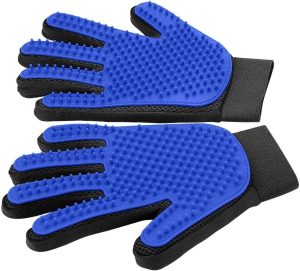
Upgrade Efficient Pet Hair Remover …
Product description Is Discontinued By Manufacturer : No Product Dimensions : 9…

Dog Car Seat Cover, 600D Heavy Dute…
Product description Product Comparison Add to Cart Add to Cart Add to Cart Add to Cart…

BALEINE Cat Carrier, Puppy Dog Carr…
Product description Product Dimensions : 19 x 12 x 12 inches; 2.27 Pounds Item…

ProDen PlaqueOff Powder for Cats &#…
Product description Is Discontinued By Manufacturer : No Product Dimensions : 2.72…
