
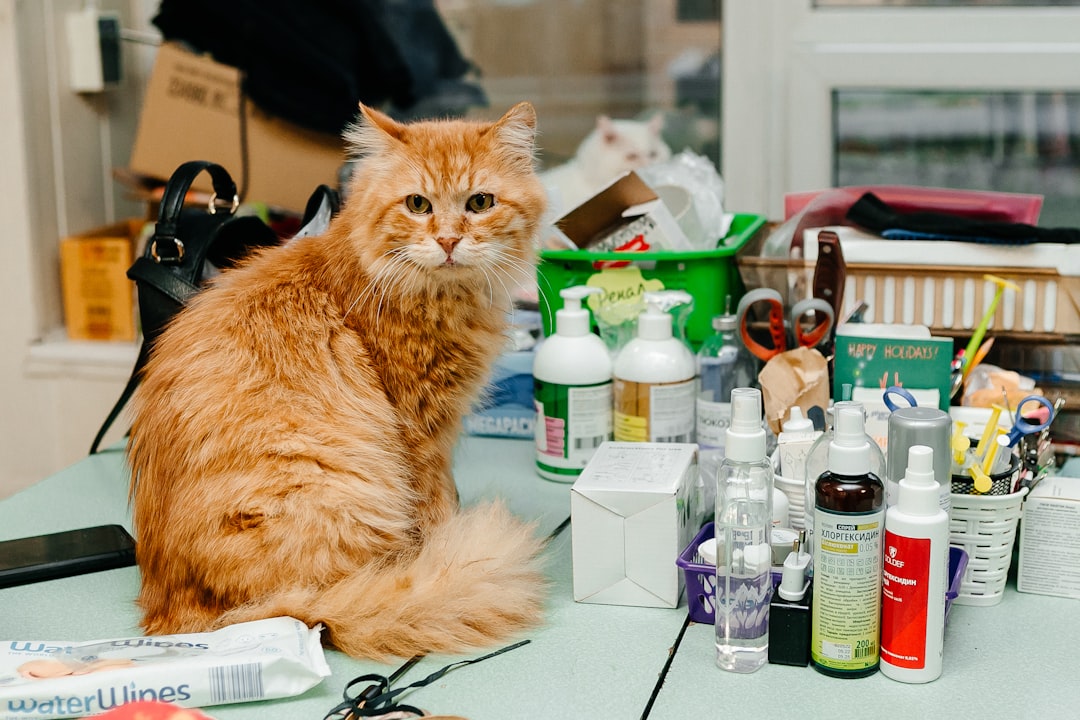
Best Ways to Organize Pet Supplies at Home
Keeping pet supplies organized saves time, reduces stress, and helps you care for your pet consistently. A well-planned system keeps food fresh, toys accessible, grooming tools sanitary, and travel gear ready at a moment’s notice.
This guide gives practical, room-by-room strategies and product-focused tips you can implement today. Follow the steps below to build a simple, lasting organization system for dogs, cats, and multi-pet households.
Create clear zones for pet activities
Start by mapping your home into functional zones: feeding, play, grooming, training, and travel. Assign one primary storage spot per zone so supplies aren’t scattered. Keep food and feeding tools in the kitchen or pantry; toys in the living area; grooming and first-aid items in a bathroom or closet; and travel gear near the front door or car.
If you use carriers regularly, keep a compact stack near your travel zone so it’s ready for vet trips. A dedicated Dog Carriers area prevents last-minute scrambling and damage from being shoved into a random closet.
Choose the right storage solutions
Select storage that matches both the item and your space: airtight containers for dry food, clear bins for toys, small drawers for grooming tools, and hanging racks for leashes. Vertical storage maximizes floor space—shelves or wall hooks work well for bulky or frequently used items.
For leashes and walking gear, install a small pegboard or multi-hook rack by the door. If you prefer a single, tidy leash option for daily walks, consider keeping a reliable retractable model in the travel zone so it’s always ready: Retractable Dog Leashes.
Organize grooming and health supplies
Use a shallow drawer or labeled caddy for grooming tools so you can grab everything fast. Store clippers, brushes, and nail trimmers together and wipe or sanitize items after use. Keep a small towel and a hair-removal brush nearby to speed cleanups.
Include a durable nail clipper in your grooming kit to maintain routine care at home: gonicc Dog & Cat Nail Clippers are an example of a grooming tool to store in that kit.
Toys and enrichment: rotation and containment
A toy station prevents clutter and keeps play interesting. Use clear bins or mesh baskets labeled by type (chew toys, fetch toys, plush). Rotate toys weekly: keep some in storage and swap them out to make old toys seem new. This reduces boredom and limits the number of items left around the house.
For tough chewers or fetch sessions, store effective options in a separate bin—rope toys and balls tend to wear differently, so segregate them for safety. Keep a bin for durable options like Dog Rope Toys so you can quickly grab a sturdy play item for energy-burning sessions.
Leashes, collars, ID and travel gear
Keep collars and ID tags in a small basket near the door. A labeled drawer can house spare collars, harnesses, and backups for tags or buckles. Keep important safety items like pet IDs and a travel harness together so you don’t forget essentials before leaving the house.
Store ID items where they’re visible—attaching tags immediately when you swap collars avoids lost-tag hassles. If you need spare or replacement IDs, check your pet gear station for a range of Dog ID Tags.
Food, treats and proper rotation
Store dry food in airtight, labeled containers with FIFO (first in, first out) rotation. Keep an inventory list on the container or a nearby board with purchase date and expiry. For multi-pet homes, separate bins by pet or food type to avoid mixing diets.
For training sessions, keep a small waterproof treat pouch stocked and hung near your training zone or entryway so you’re always ready for reinforcement. A compact Dog Training Treat Pouches makes reward-based training simpler and cleaner.
Health, medication and first aid management
Designate a locked or elevated cabinet for medications, flea and tick treatments, and supplements. Keep a separate small first-aid kit with essentials—bandages, wound cleanser, tweezers, and emergency contact information—and restock after use.
Store travel- and home-ready remedies together so they’re accessible during outings and at home. A dedicated Dog First Aid Supplies kit stored with your grooming items is a smart, time-saving choice.
Car organization and protective covers
If you travel with pets, keep a car-ready set: booster, carrier, seat cover, blankets, and a portable water bottle. Stash a small bag with treats, waste bags, and a leash in the trunk or by the back seat for spontaneous outings.
Protect car upholstery and make cleaning easy by storing a waterproof seat protector and a booster seat together. A quality Dog Seat Covers that folds compactly into the trunk will save time and keep your car clean.
Labeling, maintenance and simple systems
Label every container, drawer, and shelf. Use weatherproof labels on food bins and color-coded tags for speed. Schedule a weekly 10–15 minute tidy: empty toy baskets, check food dates, wipe down bowls and replace any used first-aid items. Small, consistent maintenance prevents big messes.
Use clear containers when possible so you can see levels at a glance. Attach a checklist to the pantry door to track supplies that need refilling, and set reminders on your phone for monthly tasks like flea treatment or supplement refills.
Quick checklist
- Map zones: feeding, play, grooming, travel, storage.
- Use airtight containers for food; label with date opened.
- Keep grooming tools in one caddy; dry and sanitize after use.
- Rotate toys weekly; store sturdier toys separately.
- Hang leashes and keep collars/ID near the door.
- Maintain a stocked first-aid kit and restock after use.
- Protect car seats with a waterproof cover and keep travel kit in the trunk.
FAQ
Q: How often should I rotate my pet’s toys?
A: Rotate toys every 1–2 weeks to maintain interest. Keep a few favorites accessible and store the rest out of sight.
Q: What’s the best way to store dry food long-term?
A: Use airtight, opaque bins in a cool, dry spot. Label with purchase and expiry dates and use FIFO rotation.
Q: Where should I keep emergency pet supplies?
A: Keep a compact first-aid kit in an accessible cabinet at home and a small emergency bag in your car or travel kit.
Q: How can I keep grooming tools sanitary?
A: Clean and dry tools after each session, store them in a closed caddy, and replace blades or files as needed.
Q: What’s the best way to store leashes and harnesses?
A: Hang leashes on hooks near the door and use a small drawer or basket for harnesses and spare collars to keep them untangled and ready.
Conclusion
Organizing pet supplies is about simple systems: clear zones, the right containers, routine maintenance, and smart storage choices. Start small—pick one zone and implement the solutions above. Within a few weekends your home will be easier to manage, your pet’s items will stay in good condition, and you’ll save time on daily care.
Products Featured in This Article
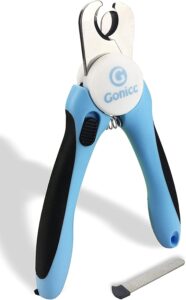
gonicc Dog & Cat Pets Nail Cli…
Product description Add to Cart Add to Cart Customer Reviews 4.4 out of 5 stars 184…
