
Cat and Dog Feeding Guide: Simple Tips for Better Pet Nutrition
Good nutrition is one of the easiest ways to improve your cat or dog’s quality of life. This guide gives clear, practical steps you can implement today — from picking the right food to handling picky eaters, hydration, treats, and safety.
Follow these tips to build reliable feeding routines, reduce mealtime stress, and spot problems early so your pet stays healthy and happy.
Feeding basics: energy, protein, and balance
Every pet’s diet should meet their basic needs: appropriate calories for activity level, high-quality protein for muscle and repair, and balanced vitamins and minerals for long-term health. Read labels for AAFCO statements (complete and balanced) and match calorie intake to your pet’s body condition — not just the package recommendations.
Portion control and tracking weight
Portion control prevents both underfeeding and obesity. Use a kitchen scale or a standard measuring cup and record daily portions for a week to understand typical intake. Adjust by 10–20% if your dog or cat is gaining or losing weight unexpectedly. For dogs recovering from illness or needing behavioral help at mealtime, consider supportive products like Dog Calming Products to reduce anxiety that disrupts eating.
Choosing the right food: kibble, canned, and homemade
Match form and formulation to life stage and health. Kibble is convenient and helps tartar control; wet food adds moisture and palatability; balanced home-prepared diets require a vet or nutritionist’s guidance. When switching diets, do it over 7–10 days (start 25% new / 75% old and gradually flip) to avoid GI upset.
Feeding schedules and routines
Routines reduce stress and regulate digestion. Puppies and kittens usually need 3–4 meals daily; adult pets typically do well with two. Feed at consistent times, clear the bowl after 20–30 minutes for free-feeding cats unless vet recommends otherwise, and consider timed feeders for multi-pet households to prevent guarding.
Hydration: why it matters and practical solutions
Proper hydration supports digestion, kidney function, and overall health. Offer fresh water in multiple spots and clean bowls daily. For dogs on walks or trips, a portable bottle makes it easy to give water between meals; a practical option is the Kalimdor Dog Water Bottle, which helps maintain hydration without spills.
Treats, training, and calorie accounting
Treats are powerful tools for training and bonding but can add significant calories. Use small, low-calorie rewards and factor them into the daily allotment. For organized training sessions and on-the-go convenience, consider a Dog Training Treat Pouches to keep portions controlled and accessible.
For everyday outings or messy environments, a durable option is the Waterproof Dog Treat Pouch, which helps you store treats safely and measure rewards precisely.
Dental and oral health tied to feeding
Poor oral health reduces appetite and causes pain. Regular brushing and dental checks support nutrition. Explore targeted options for dogs like the Dog Dental Care products to keep teeth and gums healthy.
Cats also need specific oral care; a useful supplemental product is ProDen PlaqueOff Powder for Cats, which some owners use to reduce plaque and improve comfort while eating. Always discuss supplements with your veterinarian before starting.
Special considerations: life stage, allergies, and supplements
Puppies and kittens need higher calories and specific nutrient ratios, while older pets may require lower-calorie formulas, joint support, or moister food to ease dental pain. For dogs with mobility needs that affect feeding activity, joint supplements such as Nutramax Cosequin for Dogs can be part of a broader plan to keep them active and eating well. Always coordinate supplements and diet changes with your vet.
Food safety and quick responses to accidental ingestion
Prevent access to human foods that are toxic (onions, chocolate, xylitol, grapes/raisins) and keep trash secured. If your pet eats an unknown or potentially harmful item, contact your vet or local poison control immediately. For some emergencies, having a first-aid standby can be useful — products such as ReadyRESCUE Activated Charcoal are marketed as emergency binders; use only under veterinary direction.
Checklist: quick feeding habits to review
- Weigh and body-condition score weekly; adjust portions if needed.
- Measure food with a scale or cup and log daily totals for a week.
- Fix a consistent feeding schedule and stick to it.
- Factor treats into daily calories; use controlled treat pouches.
- Offer fresh water in multiple locations and carry a portable bottle when traveling.
- Maintain oral care routines and consult vet for dental issues.
- Store food securely to prevent scavenging and accidental poisoning.
FAQ
- How often should I feed my adult dog?
Generally twice daily; split the total daily calories into morning and evening meals. Adjust for activity and medical needs. - My cat is picky — should I change food often?
Frequent changes can cause GI upset. Try warming wet food slightly, rotating protein sources slowly, and rule out dental or medical issues if appetite drops. - Are supplements necessary?
Not always. Use supplements to address diagnosed deficiencies or needs (e.g., joint support, omega-3s) and consult your vet first. - How do I stop my dog from begging at the table?
Ignore begging, feed on a schedule, and teach a reliable place command. Using a training pouch for controlled rewards during training helps enforce alternatives. - What should I do if my pet eats something toxic?
Contact your vet or pet poison helpline immediately. Do not induce vomiting unless instructed; have emergency products and vet contact info accessible.
Conclusion — practical takeaway
Small, consistent habits yield the biggest nutrition wins: measure portions, keep a routine, manage treats, maintain hydration, and address dental or health issues promptly. When in doubt, consult your veterinarian to tailor diet and supplements to your pet’s unique needs.
Products Featured in This Article
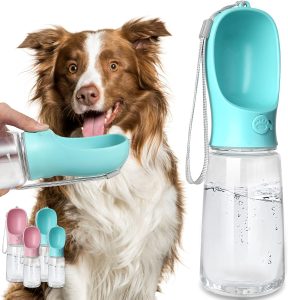
Kalimdor Dog Water Bottle, Leak Pro…
Product description Kalimdor Dog water bottles for walking, Dog Beach, Traveling, Hiking and Outdoor. Your Pet…
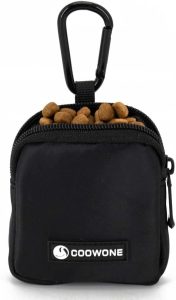
Waterproof Dog Treat Pouch, Dog Tra…
Product description The video showcases the product in use.The video guides you through product setup.The video…
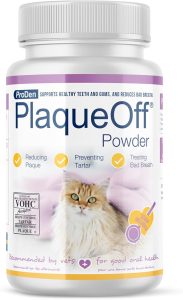
ProDen PlaqueOff Powder for Cats &#…
Product description Is Discontinued By Manufacturer : No Product Dimensions : 2.72…
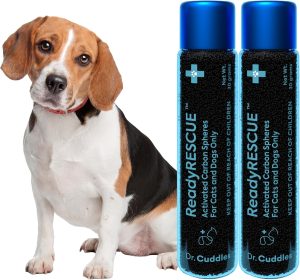
ReadyRESCUE Activated Charcoal micr…
From the brand Date First Available : April 10, 2026 Manufacturer : …
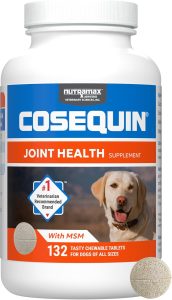
Nutramax Cosequin for Dogs Joint He…
Only COSEQUIN is COSEQUIN. COSEQUIN Joint Health Supplement Plus MSM contains FCHG49 Glucosamine Hydrochloride, TRH122 Sodium…
