
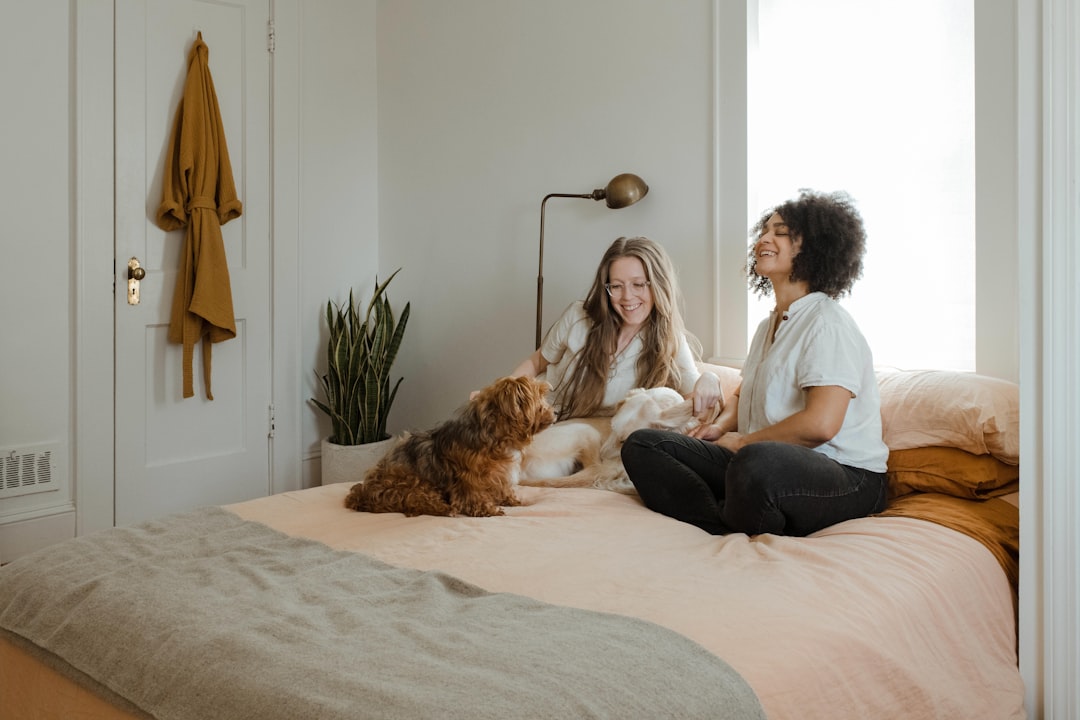
Daily Cleaning Tips for Homes With Cats and Dogs
Keeping a clean home with pets takes consistent, simple habits. With daily routines and the right tools, you can reduce hair, odors, and mess without spending hours each day.
This guide focuses on practical, reliable steps you can use every day — from grooming to high-traffic surfaces to travel cleanup — so your home stays fresh and comfortable for the whole family.
Daily grooming: quick habits that pay off
Daily grooming cuts down on loose fur, dander and the need for deep cleans. Brushing dogs and cats for just five minutes each day prevents mats and reduces shedding around the house. For most coats, choose a brush designed for the coat type; for example, a regular selection from Dog Brushes will cover short and long-haired needs.
Also keep grooming sessions calm and routine — dogs and cats accept brushing far better when it’s short, predictable, and paired with praise or a treat.
Manage shedding with simple tools
Shedding is the top source of daily debris. A quick pass with a shedding glove or a rubber hair remover on furniture and clothing removes most loose hair before it settles into fabric. Consider keeping a pair of dedicated shedding gloves near the living room so you can remove hair from couches and blankets during TV time. A popular option is the Upgrade Efficient Pet Hair Remover Gloves, which work on both short and long coats.
Quick daily cleaning routine for floors and furniture
Set a 10-minute daily loop: vacuum high-traffic areas, lint-roll furniture, and sweep near doors. Use a vacuum with pet attachments to lift dander from upholstery and crevices. Focus on entryways, under feeding areas, and the pet’s favorite spots.
For couches and mattresses, a fast vacuum or lint roller keeps hair from embedding. For smaller spot-cleaning jobs, a microfiber cloth dampened with a pet-safe cleaner can pick up hair and residues without soaking fabrics.
Bathing and skin care without overdoing it
Bathing should be done as needed — overbathing strips natural oils. For most dogs and cats, a monthly bath or a spot-clean with pet shampoo is sufficient. Choose a gentle formula for regular use; products made for itchy or dry skin help maintain coat health between washes. For sensitive coats, try a soothing option like the Wahl dry-skin relief pet shampoo.
After bathing, dry thoroughly and brush to remove loose hair. Keep a towel and a hairbrush in a dedicated grooming area so baths are faster and cleaner.
Keep litter and accidents under control
For cat litter maintenance, scoop daily and fully replace litter on a regular schedule depending on the litter type and number of cats. Place mats under litter boxes to catch tracked litter and sweep/mop the area daily. For dog accidents, blot fresh messes immediately with paper towels, then clean with an enzyme-based cleaner to remove odors that can prompt repeat marking.
Store cleaning supplies near pet areas so you can respond quickly — fast action prevents stains and lingering odors.
Cleaning when you travel with pets
If you drive with pets, protect your vehicle interior to avoid prolonged cleaning sessions. Use a waterproof seat cover or a hammock-style protector to keep fur, dirt, and scratches off upholstery. Heavy-duty options like the dog car seat cover (600D) are built for easy wiping and are fully waterproof.
When you need a more structured option, booster or car seats help contain hair and crumbs in a single removable area; browse Dog Car Seats for secure choices. For quick protection and everyday use, consider seat cover categories at Dog Seat Covers.
For carriers and shorter trips, a collapsible soft-sided carrier like the BALEINE Cat Carrier is easy to clean and stores compactly when not in use.
Toys, bowls and bedding: daily care habits
Food bowls should be rinsed after every meal and washed with warm soapy water at least once daily to prevent bacteria and odors. Wash or rotate bedding weekly; for heavy soiling, line a bin with a washable mat or removable cover so you can swap and launder quickly.
Keep a small bin for toys and chews and sanitize durable toys weekly with mild soap and water. For training sessions, carry a waterproof treat pouch like the Waterproof Dog Treat Pouch so treats and small messes are contained when you practice outdoors.
Organization and storage to reduce clutter
Designate a single cabinet or bin for all pet-care items: grooming tools, leashes, cleanup supplies. A dedicated drawer with smaller organizers keeps nail clippers, brushes, and first-aid items accessible. Contain leashes and harnesses in hooks near entryways to avoid dragging them through the house.
Deep clean schedule (weekly to monthly)
While daily care does most of the work, plan deeper cleaning: vacuum upholstery and under cushions weekly, wash bedding and blankets weekly, deep-clean floors monthly, and launder or replace entry mats monthly. For seasonal touches, shampoo carpets and steam-clean hard floors every 3–6 months.
Quick daily checklist
- Brush pet(s) 5 minutes to remove loose fur.
- Scoop litter boxes and wipe the immediate area.
- Wipe food and water bowls after meals.
- Run a 10-minute vacuum/sweep in high-traffic zones.
- Spot-clean accidents immediately with enzyme cleaner.
- Shake or lint-roll couch throws and entry mats.
- Store toys and gear in designated bins; hang leashes.
FAQ
Q: How often should I bathe my dog?
A: Most dogs benefit from a bath every 3–8 weeks depending on coat type and activity; use a gentle, condition-friendly shampoo for sensitive skin like the Wahl dry-skin formula linked above.
Q: What’s the fastest way to remove pet hair from furniture?
A: Use a rubber glove or a dedicated hair-removal glove, then vacuum with an upholstery tool. Keeping a glove handy makes daily touch-ups very quick.
Q: How do I stop litter from being tracked everywhere?
A: Place a textured mat under and in front of the litter box to catch granules, and scoop daily. Sweep or vacuum the mat each day.
Q: How can I keep my car clean after a beach or muddy walk?
A: Brush off excess dirt outside, then protect seats with a heavy-duty cover. For regular use, a durable, waterproof seat protector or a portable carrier helps minimize hair and mud buildup.
Q: Are enzyme cleaners safe around pets?
A: Most enzyme-based cleaners are formulated to be safe and effective for pet stains and odors; follow product instructions and keep pets away until surfaces are dry.
Q: How do I store pet grooming tools to keep them sanitary?
A: Wipe tools after use, allow them to dry fully, and store in a ventilated box or drawer. Replace or sanitize pads and brushes regularly.
Conclusion
Daily upkeep with short, focused habits dramatically reduces household pet mess. Combine brief grooming, strategic tools, and a consistent cleaning loop to keep floors, furniture and travel areas under control. Start with the daily checklist and add one new habit each week — small steps lead to a consistently cleaner, more comfortable home for you and your pets.
Products Featured in This Article
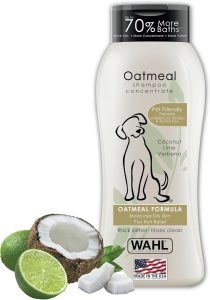
Wahl USA Dry Skin & Itch Relie…
Our shampoos are concentrated, which means a little bit goes a long way! Be sure to…
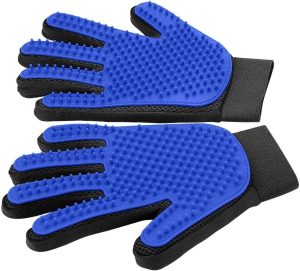
Upgrade Efficient Pet Hair Remover …
Product description Is Discontinued By Manufacturer : No Product Dimensions : 9…
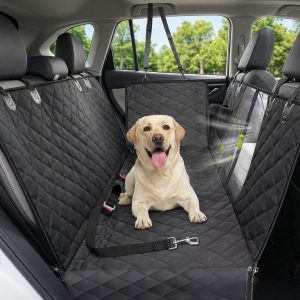
Dog Car Seat Cover, 600D Heavy Dute…
Product description Product Comparison Add to Cart Add to Cart Add to Cart Add to Cart…
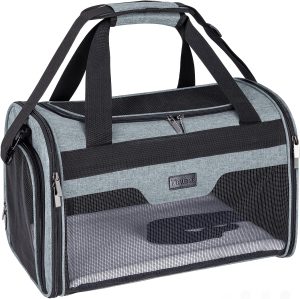
BALEINE Cat Carrier, Puppy Dog Carr…
Product description Product Dimensions : 19 x 12 x 12 inches; 2.27 Pounds Item…

Waterproof Dog Treat Pouch, Dog Tra…
Product description The video showcases the product in use.The video guides you through product setup.The video…
