Guide to Choosing Safe Toys for Cats and Dogs
Choosing the right toys keeps pets healthy, mentally engaged, and out of trouble. Safety should guide every purchase: materials, size, intended use, and how you supervise matter more than fancy packaging or trends.
This practical guide will help you evaluate toys, spot hazards, and select durable, appropriate options for different life stages and play styles.
Know your pet’s play style
Observe whether your pet is a chaser, shredder, gentle chewer, or independent puzzle-solver. Match toys to behavior: fetch toys for chasers, tough chews for heavy chewers, and interactive puzzles for pets who need mental work. For owners who want a compact starter kit to teach safe play and basic skills, consider a training set that includes clickers and a treat pouch for on-the-spot rewards: BARKIE Dog Training Kit.
Materials: what to avoid and what’s preferred
Choose non-toxic, pet-grade materials. Avoid cheap vinyl, filling that can be ingested (like cotton batting), or small parts that can detach. Preferred materials include natural rubber for balls, braided cotton for rope toys, and durable nylon for chews manufactured specifically for pets.
Size and durability matters
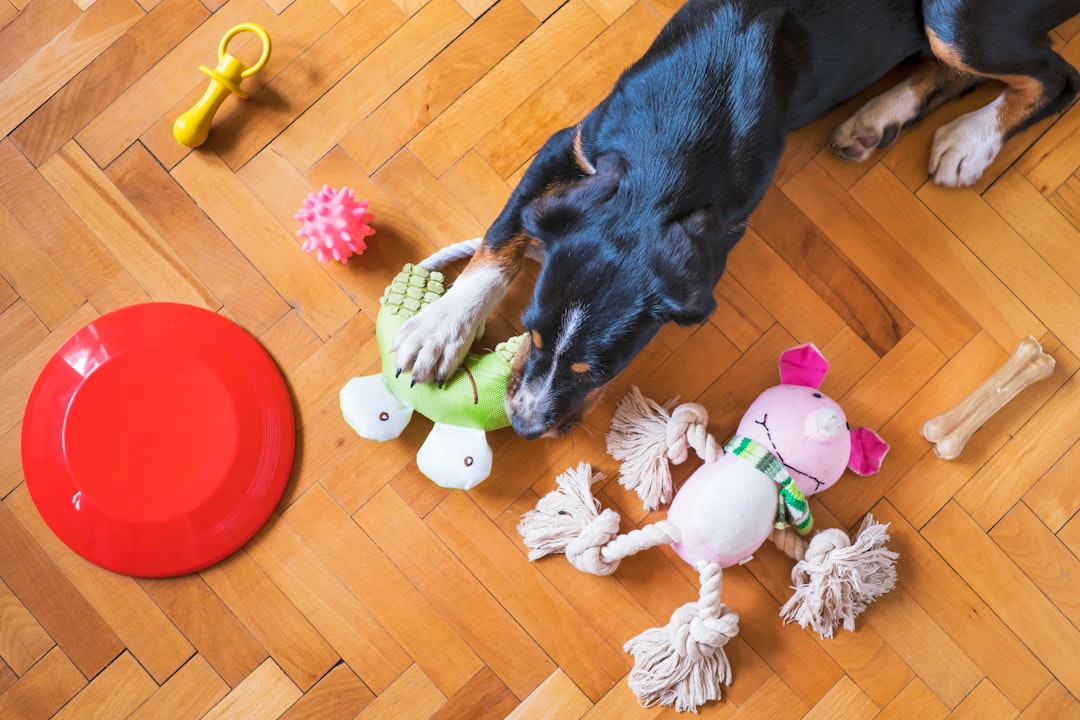
Size the toy to your pet—not your aesthetic. A toy too small is a choking risk; too large can be frustrating. Match the toy’s rated weight or size to your pet’s breed and chewing style. For dogs that tug or chew aggressively, look for heavy-duty construction like knotted, thick ropes designed to resist shredding, for example the tough cotton tug ropes shown here: Fida Dog Rope Toys for Large/Medium Aggressive Chewers.
Chew toys and dental safety
Chew toys can support dental health when chosen properly. Avoid very hard chews made of bone or hard nylon for power chewers—they can crack teeth. Softer, textured chews help scrub plaque and are safer for most dogs. Pair chew selection with routine dental care products and guidance on proper chew choices: Dog Dental Care.
Balls, fetch toys, and play mechanics
Balls are great but pick the right type. Tennis balls cut for dogs can abrade teeth over time; rubber balls made for pets are better. If your dog plays in water or needs a floatable option, pick buoyant designs. An example of a durable rubber fetch toy that floats and resists heavy wear is this specially made ultra ball: Chuckit! Ultra Ball Dog Toy.
Interactive toys and enrichment
Interactive toys reduce boredom and destructive behavior. Look for slow-dispense treat toys and puzzle feeders that are easy to clean and built to resist crushing. Long-lasting interactive balls and low-mess treat toys keep attention and are safer than stuffing household items. For a durable, low-mess interactive ball that holds up to heavy play, consider options like the WOOF Pupsicle: WOOF Pupsicle Long-Lasting Interactive Dog Ball.
Puppies and kittens: teething and starter kits
Young animals need softer, appropriately sized chews and short supervised sessions. Rotate teething toys and freeze some (where safe) to soothe gums. Starter packs tailored to puppies offer a range of textures and safe shapes that teach proper chewing behavior: Nylabone New Puppy Starter Kit is an example of a curated starter set for teething puppies.
Travel, storage and on-the-go safety
Carries and containment make travel safer and keep favorite toys secure. Bring one or two familiar toys in carriers or travel backpacks and keep them separate from small items. For safe transport of small pets and their toys, a quality soft-sided carrier is practical: BALEINE Cat Carrier & Puppy Dog Carrier.
Training with toys and reward systems
Toys can be powerful rewards. Use a dedicated treat pouch or training bag to keep rewards at hand and maintain consistency during sessions. Having a compact pouch also allows you to swap treats and small toys quickly during training practice: Dog Training Treat Pouches make rewarding immediate and hygienic when training in public or at home.
Signs a toy is unsafe — replace immediately
- Fraying, missing pieces, or exposed stuffing.
- Cracked or splintered hard chews.
- Any part smaller than your pet’s mouth that could detach.
- Persistent choking or coughing during play.
Quick checklist before you buy
- Is the material pet-safe and non-toxic?
- Is the size appropriate for my pet’s mouth and strength?
- Does the toy match my pet’s play style (chewer, chaser, shredder)?
- Can it be cleaned easily (dishwasher-safe or wipeable)?
- Is there a manufacturer’s weight/age recommendation?
FAQ
- How often should I inspect toys? Inspect toys weekly; heavy chewers should have toys checked after every play session.
- Can my dog ingest small toy pieces? Yes—if a toy breaks into small parts, remove it immediately and watch for signs of ingestion (vomiting, lethargy, loss of appetite).
- Are rope toys safe? Rope toys are fine for many dogs but can fray; do not let pets swallow long strands and replace when threads appear loose.
- Which toys are best for dental health? Textured chews and toys designed to clean teeth are preferable; pair toys with routine dental care and dental-safe chew options.
- Can cats and dogs share toys? Generally no—different size, texture, and disease transmission risks. Keep separate toys and wash between uses if sharing is necessary.
Conclusion
Safe toys are about fit, material, and supervision. Choose toys that match your pet’s size and play style, inspect them regularly, and rotate to maintain interest. When in doubt, select items designed for your pet’s age and chewing intensity and replace damaged toys promptly.
Practical takeaway: pick one high-quality, appropriate toy for your pet’s primary play style, inspect it weekly, and have a safe rotation so your pet always has engaging options without risk.
Products Featured in This Article
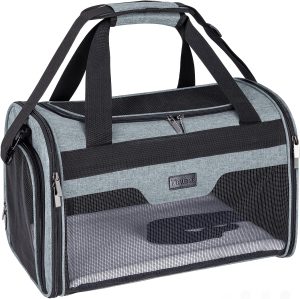
BALEINE Cat Carrier, Puppy Dog Carr…
Product description Product Dimensions : 19 x 12 x 12 inches; 2.27 Pounds Item…
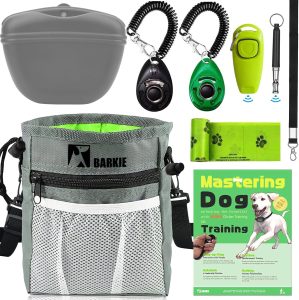
BARKIE Dog Training Kit – Tre…
Product description Add to Cart Add to Cart Add to Cart Customer Reviews 4.4 out of…
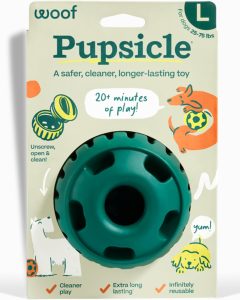
WOOF Pupsicle – Long-Lasting …
Product description The video showcases the product in use.The video guides you through product setup.The video…

Fida Dog Rope Toys for Large/Medium…
Product description The video showcases the product in use.The video guides you through product setup.The video…
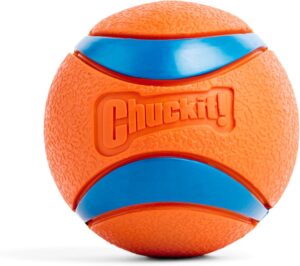
Chuckit! Ultra Ball Dog Toy –…
The Chuckit! Ultra Ball dog toy is a must-have for pet owners who love playing fetch…
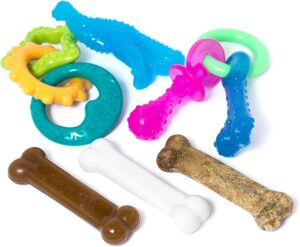
Nylabone New Puppy Starter Kit, 5 C…
ABOUT PUPPY CHEW TOYSThe puppy stage is a critical opportunity for teaching your pup good chewing…
