
How to Build a Daily Routine for a Happy and Healthy Pet
A predictable daily routine gives pets structure, reduces stress, and makes it easier for owners to meet physical and emotional needs. Whether you have a puppy, senior dog, or an energetic adult, a consistent plan helps prevent behavior problems and supports long-term wellbeing.
This guide gives practical, step-by-step advice for building a balanced daily routine: feeding and potty, exercise and play, training and enrichment, grooming and health, travel and safety. Use these ideas to create a schedule that fits your life and your pet’s needs.
Why a Routine Matters
Pets thrive on consistency. Regular meal times, walks, play sessions, and rest help regulate digestion, energy levels, and sleep. A routine also builds trust: your pet learns what to expect and when, which lowers anxiety and improves behavior.
Morning: Feeding, Potty, and Calm Start
Start the day with a calm, predictable sequence: potty break, feeding, a short walk or play, and a quiet cooldown. For dogs, a quick outdoor trip right after waking helps reinforce bladder control and reduces accidents.
If your pet gets excited at meals, a calming vest or similar calming product can help them settle so meals begin calmly and predictably.
Exercise & Play: Meet Energy Needs Intentionally
Daily physical activity prevents obesity, releases excess energy, and supports joint health. Tailor intensity and duration to breed, age, and health: short walks and indoor games for seniors; longer runs and fetch for active adults.
Rotate toys to keep play engaging. Durable options like an Ultra Ball are great for high-energy fetch sessions, while tug ropes and puzzle toys work well for enrichment.
Training & Mental Enrichment: Short and Frequent Wins
Frequent short training sessions—5 to 15 minutes, two to four times a day—keep your pet mentally stimulated and reinforce good habits. Break skills into small steps and reward progress consistently.
Tools that make training efficient include simple reinforcement devices and convenient storage for rewards. A reliable waterproof treat pouch keeps treats accessible during walks and training, and using dog clickers can speed up marker training for precise cues.
Grooming & Daily Health Checks
Brief daily grooming does more than keep coats shiny: it’s a chance to inspect skin, ears, teeth, and nails. Brush fur to reduce shedding and mats; a quick oral wipe or chew can complement a routine for fresh breath.
Incorporate a regular dental habit—chew treats, brushing, or products from the dog dental care category—to lower tartar and maintain gum health.
Preventive Care & Home Safety
Preventive items keep small issues from becoming emergencies. Use long-acting flea and tick protection and store first-aid basics where they’re easy to reach. For quick response to accidental ingestion, a vetted emergency product like ReadyRESCUE activated charcoal is a travel-friendly item to have in your kit (use under veterinary guidance).
Seasonal checks—nails, pads, ears, and coat—should be scheduled weekly or monthly depending on your pet’s needs. And for ongoing parasite protection, consider products such as the Seresto flea & tick collar to simplify prevention for many dogs.
Travel, Car Rides, and Safe Transitions
Travel and vet visits are part of life—make them predictable. Use a secure carrier or booster seat, and cover car seats to protect both your pet and upholstery. A non-slip, waterproof dog car seat cover creates a calm, protected space and reduces cleanup after outdoor adventures.
Pre-trip routines—short walk before boarding, favorite toy, and a treat—help pets associate travel with calm outcomes. For small or anxious pets, a well-fitting carrier improves security and reduces motion stress.
Creating a Practical Daily Schedule
Every household is different. Below is a sample template you can adapt:
- Morning: Potty → Breakfast → 15–30 minute walk/play → Short training session
- Midday: Potty break → Mentally stimulating toy or chew → 10-minute training or sniff walk
- Afternoon/Evening: Longer exercise session (walk/run/fetch) → Dinner → Calm bonding time
- Night: Short potty break before bed → Quiet rest in a consistent sleeping area
Use a calendar or phone reminders at first. Adjust timings based on your pet’s appetite, elimination cues, and energy spikes.
Tips for Sticking to the Routine
Start small and build. Change one element at a time—add a daily grooming step or a midafternoon walk rather than overhauling everything at once. Reward your pet for participation and keep sessions consistent in length and timing.
When life gets busy, portable solutions help maintain consistency: a compact treat pouch, a favorite chew toy, or a collapsible water bottle for outings reduces friction. Consider gear like the 2-in-1 travel backpack for weekend hikes that centralize supplies and make routines easier on the go.
Quick Checklist
- Set consistent meal and potty times
- Schedule two daily exercise sessions (one can be short)
- Do 5–15 minute training sessions 2–4x daily
- Inspect coat, ears, and teeth during short grooming
- Keep preventive items and first-aid supplies on hand
- Use travel and containment gear to reduce stress during outings
FAQ
Q: How long should my pet’s exercise sessions be?
A: Match duration to age and breed: puppies and seniors need shorter, gentler sessions; active adults benefit from 30–60 minutes split across the day.
Q: What if my schedule changes day-to-day?
A: Keep core events (meals, potty, short training) at similar times. If time shifts are unavoidable, maintain sequence—potty before food, exercise before long periods of rest.
Q: How do I introduce crate or carrier time without stress?
A: Make carriers inviting with treats, toys, and short, positive sessions. Gradually increase duration and practice calm entries and exits.
Q: My pet is anxious—how do I reduce stress during routine changes?
A: Introduce changes slowly, keep signals consistent (same leash, cue words), and use comfort tools like a calming vest or favorite blanket to create familiarity.
Q: Are training collars or devices necessary?
A: Many pets learn with positive reinforcement tools; some owners find remote or training collars useful for specific tasks. If used, learn proper, humane methods and prioritize reward-based training.
Conclusion
Building a daily routine is about consistency, predictability, and small habits that add up. Start with a few fixed anchor points—meals, potty breaks, exercise—and layer training, grooming, and preventive care around them. With repetition, your pet will be calmer, healthier, and easier to care for.
Practical takeaway: pick three daily anchor times (morning, midday, evening) and commit to one consistent action at each (potty, play/training, calm bedtime). Adjust as needed, and keep sessions short, positive, and predictable.
Products Featured in This Article

Cleverpup Porter 2-in-1 Dog Gear Ba…
Product description The video showcases the product in use.The video guides you through product setup.The video…

Waterproof Dog Treat Pouch, Dog Tra…
Product description The video showcases the product in use.The video guides you through product setup.The video…
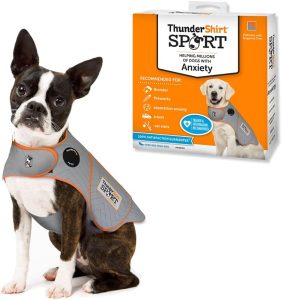
ThunderShirt for Dogs, X Small, Pla…
The ThunderShirt SPORT effectively treats anxiety, fear, and over-excitement in style. Designed for comfort, the breathable…
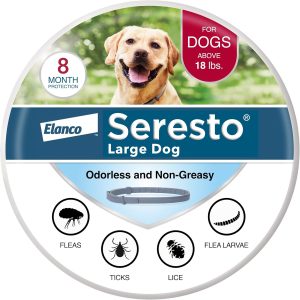
Seresto Flea & Tick Collar For…
Give your dog long-lasting protection against fleas and ticks with the number-one vet-recommended flea and tick…
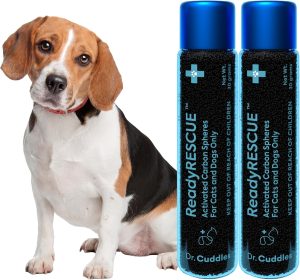
ReadyRESCUE Activated Charcoal micr…
From the brand Date First Available : April 10, 2026 Manufacturer : …
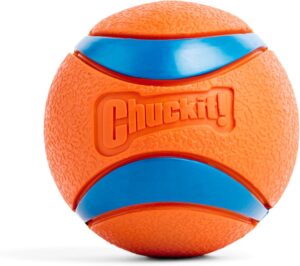
Chuckit! Ultra Ball Dog Toy –…
The Chuckit! Ultra Ball dog toy is a must-have for pet owners who love playing fetch…
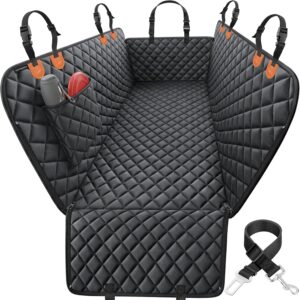
URPOWER Dog Car Seat Cover for Pets…
Product description Is Discontinued By Manufacturer : No Product Dimensions : 16…
