How to Keep Your Dog Entertained When You Are Busy
Busy days are normal—work, errands, family commitments—but your dog still needs mental stimulation and safe outlets for energy. With planning and a few smart tools, you can keep your dog happy, reduce boredom behaviors, and make alone time productive for both of you.
This post gives clear, practical strategies you can implement today: toy rotation, treat-dispensing solutions, short training bursts, calming aids, and safety basics. Read through and pick a few tactics that suit your dog’s age, breed and temperament.
Understand your dog’s energy and needs
First, match activities to your dog’s physical and mental profile. High-drive breeds need more structured enrichment and stronger chews; seniors benefit from low-impact mental games. Note how long your dog can stay engaged—some dogs will play fetch five minutes; others can focus on a puzzle for half an hour. Use short observations the first few days to create a baseline and tailor your plan.
Interactive toys and puzzle feeders
Interactive toys are the cornerstone of solo enrichment. Look for puzzles that let your dog problem-solve for food or treats; the novelty makes them more absorbing than passive toys. Start on an easy setting so your dog experiences quick wins, then increase complexity once they master it. Explore the selection of purpose-built options to find styles your dog prefers: Interactive Dog Toys.
Use technology: automatic and motion-activated toys
If you need extended alone time, mechanical toys can provide supervised-style play without you present. Rechargeable, motion-activated chase balls and automatic rollers keep a dog moving and curious, especially indoors on rainy days. These devices aren’t a full substitute for human interaction, but they can bridge gaps safely when chosen for durability and appropriate speed: Smart Interactive Automatic Electric Rolling Ball Toy.
Food-dispensing, frozen treats and long-lasting chews
Food-based enrichment doubles as nutrition and entertainment. Fill durable treat-dispensing toys with kibble or smear wet food inside and freeze for a longer session. Cold, slow-dissolving items occupy most dogs and are especially useful in warm weather. For a ready-made option designed to hold treats and last through chewing, consider a long-lasting interactive ball to freeze and stuff: WOOF Pupsicle — Long-Lasting Interactive Dog Ball.
Short, structured play and training bursts
Even on busy days, 5–10 minute focused sessions of play or training give big returns. Use a small window before you leave, during a lunch break, or after arriving home. Keep sessions consistent: cue a sit, practice a recall, or run a quick nose-work drill. Keep treats handy and contained with a durable pouch so you can move quickly without losing momentum: Waterproof Dog Treat Pouch.
Fetch, tug and rotate toys to prevent boredom
Rotation keeps toys novel. Have a small set available: a fetch ball, a tug rope, and a chew. Swap toys every few days so each one feels “new” again. For robust tugging sessions and long-lasting chewing, choose heavy-duty rope toys made for aggressive chewers—these are great for supervised tug games and help maintain dental health through gentle flossing action: Fida Dog Rope Toys for Large/Medium Aggressive Chewers.
Solo play ideas for outdoor and indoor setups
If you have a yard, set up short obstacle routes, hide toys for a sniff-and-search game, or leave a ball in a safe, designated area for independent fetch. For indoor-only homes, small scent games (hide tiny treats in folded towels or under cups) and snuffle mats occupy dogs who prefer nose work. For repeated fetch sessions that don’t require constant human attention, high-quality tennis balls can make solo play more satisfying and durable: INSUM Tennis Balls for Dogs.
Calming strategies and a safe space
Not all dogs handle alone time well. A predictable routine, comfortable bedding, and a quiet corner will reduce stress. For nervous or reactive dogs, consider calming garments and aids that provide gentle pressure and reassurance—these are often effective when combined with desensitization work: ThunderShirt for Dogs (calming vest).
Identification, safety and supervision
When you’re away, prevent escalation by making the environment safe: remove small hazards, secure trash and put away breakables. Make sure your dog has up-to-date ID so if an accidental escape occurs you can reunite quickly. Consider visible, durable ID options that attach to collars and stay readable: Dog ID Tags.
Checklist: Quick daily routine for busy owners
- Morning: 10-minute training/play + meal in a puzzle feeder.
- Before leaving: 5-minute enrichment (frozen treat or interactive toy).
- Midday: automatic toy set-up or a safe chew left in rotation.
- Return: 10–20 minutes of walk/play to reset behavior.
- Evening: calm engagement (petting, brushing, low-key training).
- Safety: ID and hazard check weekly; rotate toys every 3–5 days.
FAQ
-
How long can my dog be left alone?
Depends on age, health and training. Adult dogs tolerate several hours with proper enrichment; puppies and senior dogs need more frequent breaks. Build up alone time gradually and monitor for stress signs.
-
Which toys are best for aggressive chewers?
Choose heavy-duty rope or rubber toys designed for tough chewers and supervise initial use. Replace toys that show significant damage to avoid ingestion of fragments.
-
Are treat-dispensing toys messy?
Some are low-mess by design, especially those intended for kibble or freeze-able fillings. Place a mat under the toy if you’re concerned about crumbs or drips.
-
Can automatic toys replace exercise?
No. They supplement activity and mental stimulation but do not replace regular walks, runs, or human-directed play for most dogs.
-
What if my dog is anxious despite enrichment?
Combine enrichment with training and a predictable routine. For persistent anxiety, consult a trainer or behaviorist for a tailored plan; calming garments and short desensitization steps can help in the meantime.
Conclusion
Keeping your dog entertained when you’re busy is predictable, practical work: match activities to their needs, rotate toys, combine food puzzles and short training bursts, and use technology sensibly. Start with a few reliable tools and a consistent routine—small, steady changes produce calmer, happier dogs and fewer problem behaviors.
Products Featured in This Article
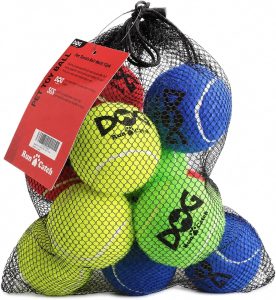
INSUM Tennis Balls for Dogs –…
Product description Find the Right INSUM Dog Ball Add to Cart Add to Cart Add to…
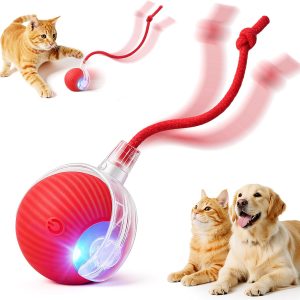
Smart Interactive Automatic Electri…
Product description SilveWillo Pet Toys Add to Cart Add to Cart Add to Cart Add to…
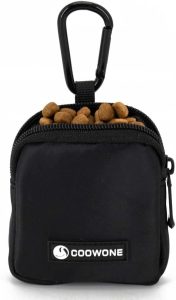
Waterproof Dog Treat Pouch, Dog Tra…
Product description The video showcases the product in use.The video guides you through product setup.The video…
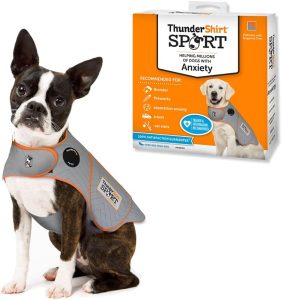
ThunderShirt for Dogs, X Small, Pla…
The ThunderShirt SPORT effectively treats anxiety, fear, and over-excitement in style. Designed for comfort, the breathable…

Fida Dog Rope Toys for Large/Medium…
Product description The video showcases the product in use.The video guides you through product setup.The video…
