

How to Keep Your Pet’s Sleeping Area Clean and Comfortable
Pets spend a lot of time sleeping — a clean, comfortable sleeping area matters for their health and your home. A well-maintained bed reduces odors, allergens, pests and the workload for you while helping your pet rest better.
This guide gives practical, actionable steps to maintain dog and cat sleeping areas at home and on the road. Follow these routines and product-focused tips to create a hygienic, cozy sleep space your pet will actually use.
Choose the right bed and sleeping spot
Select a bed size and shape that fits your pet’s sleeping style: curled up, sprawled, or burrowing. For pets who travel or need a secure spot on visits, a well-made carrier that doubles as a temporary sleep space helps keep bedding contained and easy to clean. Consider a reliable option like the BALEINE Cat Carrier for small-to-medium pets on the move.
Pick washable, durable covers and liners
Look for removable covers you can machine wash and a waterproof inner liner to protect the core foam from accidents. For car naps and seats, heavy-duty covers protect upholstery and make cleaning simple. Explore seat-protecting options in the Dog Seat Covers category to shield vehicle surfaces and sleeping pads while traveling.
Prevent pests and odors
Pests like fleas and ticks can live in bedding and cause ongoing issues; preventive measures reduce re-infestation risks. Regular use of veterinarian-recommended collars or topical preventives helps keep your pet and their sleep space pest-free. Products such as the Seresto Flea & Tick Collar are one option to discuss with your vet as part of an integrated prevention plan.
Control hair and dander at the source
Reduce the amount of hair and dander that ends up in bedding by brushing regularly, especially during shedding seasons. Quick, targeted tools make daily maintenance easier and can cut the frequency of bedding changes. For fast removal from fabric and cushions, consider products in the Cat Hair Removers category — they’re useful for both cat and dog beds.
Grooming tools that make bedding maintenance easier
A consistent grooming routine reduces loose hair and mats that transfer to the bed. Tools that combine deshedding and massaging functions remove loose fur without irritating skin. A practical grooming kit such as the Docrok Pet Grooming Combo works well for many breeds and helps keep bedding cleaner longer.
Quick cleanups for hair and stains
Between washes, use a hand tool to pick up loose fur, lint rollers or a washable mitt to keep surfaces tidy. A pet hair removal glove can make short grooming sessions part of your cleanup routine — it’s a good multi-use tool for brushing and collecting fur straight into the trash instead of the couch or bed. Try something effective like the NVNAN Pet Hair Removal Glove for quick touch-ups.
Protect sleeping areas during travel
If your pet naps in the car, use robust, waterproof covers and seat protectors to keep travel areas clean and prevent fur and dirt from embedding into upholstery. For heavy-duty protection that’s easy to install and remove, consider a product like the URPOWER Dog Car Seat Cover. These also help reduce repeated washing of household bedding after trips.
Help anxious pets settle for better sleep
Stress and anxiety can lead to pacing, drooling or chewing that soils beds. Calming aids and routines reduce nighttime activity and protect bedding. For dogs that respond well to gentle pressure, a calming vest can make a measurable difference; products such as the ThunderShirt for Dogs are commonly used to reduce anxiety-driven behaviors that disturb sleep areas.
Cleaning frequency and deep-clean routine
Establish a schedule: weekly spot cleaning, washing covers every 1–2 weeks (more often for puppies, senior pets or indoor-only pets), and a deep clean of foam or beds every 2–3 months. For beds that can’t be machine washed, vacuum thoroughly, spot-treat stains promptly, and air out in sunlight to reduce odors. If your pet has skin conditions or strong odors, increase laundering frequency and consult your veterinarian for underlying causes rather than over-washing.
Checklist: quick actions for a clean, comfortable sleep area
- Choose a bed with a removable, machine-washable cover and a waterproof liner.
- Brush your pet 2–3 times a week (daily during heavy shedding).
- Vacuum or lint-roll bedding and surrounding floor twice weekly.
- Wash covers every 1–2 weeks; deep-clean foam/pad monthly or as needed.
- Use a waterproof car seat cover when traveling and a carrier for secure naps on the road.
- Use pest prevention year-round and treat bedding after known exposures.
- Introduce calming tools and a bedtime routine for anxious pets.
FAQ
How often should I wash my pet’s bed?
Wash removable covers every 1–2 weeks; deep-clean the inner fill or foam every 2–3 months or sooner after accidents.
Is it okay to put a regular blanket in with my pet’s bed?
Yes — but choose washable, low-pile fabrics. Use a washable blanket as an extra layer that you can replace more frequently than the bed itself.
How can I stop my pet from chewing their bed?
Address boredom with toys and exercise, and consider anxiety-relief options. If chewing continues, use chew-resistant covers or swap to a sturdier bed while addressing the behavior.
Will brushing my pet reduce the need for washing bedding?
Absolutely. Regular brushing removes loose hair and dander before it transfers to bedding, reducing vacuuming and washing frequency.
What if my pet keeps having accidents in their bed?
Rule out medical issues with your vet. In the short term use waterproof liners, washable covers, and increase laundering to reduce odors and bacterial buildup.
Conclusion
Keeping your pet’s sleeping area clean is a mix of the right products, regular grooming and a simple cleaning schedule. Use washable covers, protect travel surfaces, groom consistently and address pest or anxiety issues early. Small, consistent actions make bedding cleaner, more comfortable and longer-lasting — helping both you and your pet sleep better.
Products Featured in This Article
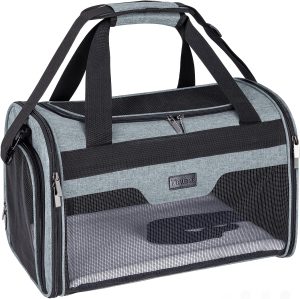
BALEINE Cat Carrier, Puppy Dog Carr…
Product description Product Dimensions : 19 x 12 x 12 inches; 2.27 Pounds Item…
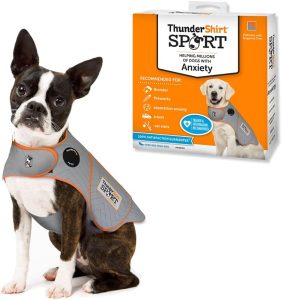
ThunderShirt for Dogs, X Small, Pla…
The ThunderShirt SPORT effectively treats anxiety, fear, and over-excitement in style. Designed for comfort, the breathable…
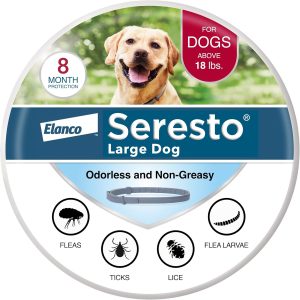
Seresto Flea & Tick Collar For…
Give your dog long-lasting protection against fleas and ticks with the number-one vet-recommended flea and tick…

Docrok Pet Grooming Combo – B…
Product description Made of 100% rust-resistant stainless steel and premium TPR handle, Docrok dog brush and…
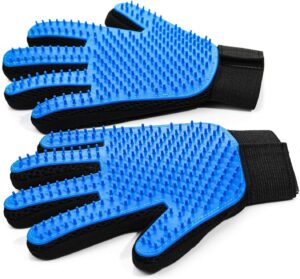
NVNAN Pet Hair Removal Glove for Do…
Product description Package Dimensions : 9.49 x 6.34 x 0.55 inches; 4.16 ounces Item…
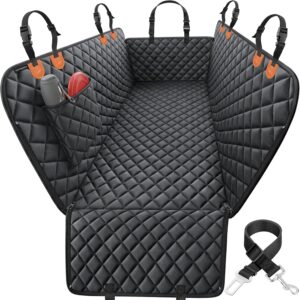
URPOWER Dog Car Seat Cover for Pets…
Product description Is Discontinued By Manufacturer : No Product Dimensions : 16…
