
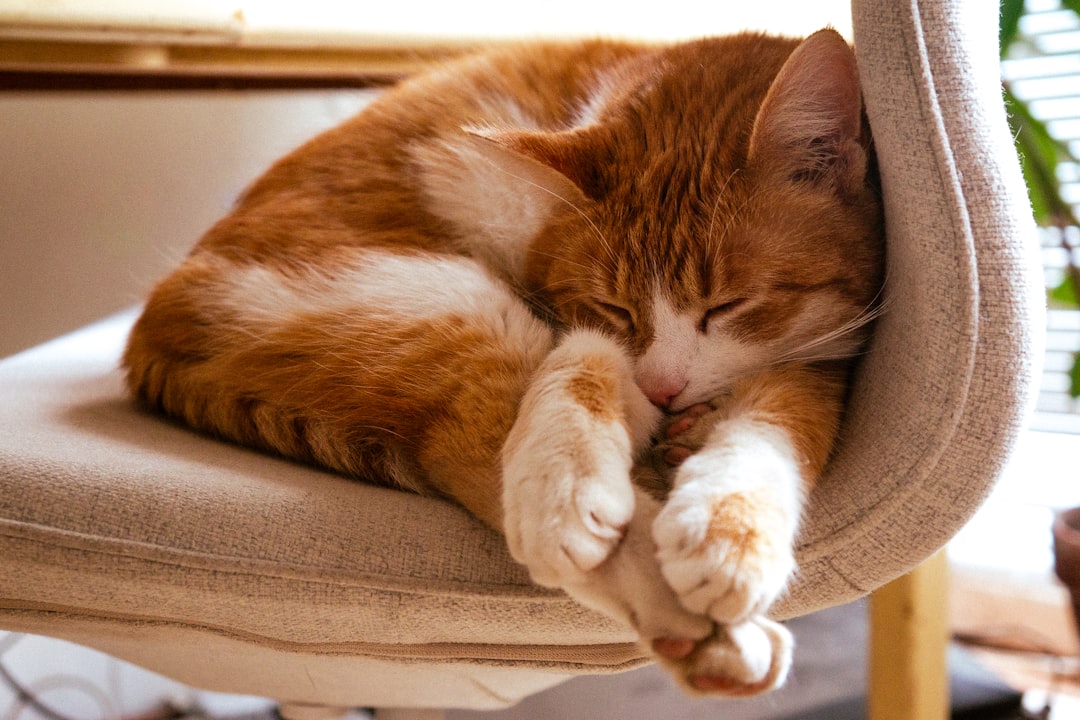
How to Make Your Cat Feel More Secure and Relaxed at Home
Cats thrive when their environment feels predictable, safe, and engaging. Small changes to your home, daily routine, and handling can dramatically reduce anxiety and help your cat relax.
This guide gives practical, trustworthy steps you can start today — from creating safe retreats to gentle grooming and emergency preparedness — so your cat feels more secure and at ease.
Recognize stress signals early
Before you make changes, learn to read your cat. Common stress signs include hiding more than usual, reduced appetite, excessive grooming or fur loss, flattened ears, dilated pupils, and sudden litter box issues. Not every change means a behavior problem, but spotting patterns helps you respond before stress becomes chronic.
Create predictable safe spaces and vertical territory
Give your cat clear options for retreat: a quiet corner, an elevated perch, and an enclosed den. During travel or vet trips, a familiar carrier helps cats feel secure; choose one that’s comfortable and used regularly so it becomes part of their safe routine. Consider a soft-sided carrier for daily naps and short moves because it can feel more den-like than rigid crates.
BALEINE Cat Carrier works well as a cozy, collapsible safe spot for cats who prefer enclosed spaces.
Enrich their day with targeted play
Interactive play reduces boredom and stress by giving cats predictable mental and physical outlets. Aim for short, frequent play sessions (5–10 minutes) throughout the day rather than one long session. Rotate toys and include hunting-style play (chase, pounce, capture) to satisfy instincts.
Automatic or motion toys can provide solo enrichment when you’re away and help anxious cats burn energy in a controlled way. Use toys that mimic prey movement and vary intensity to match your cat’s comfort level.
One effective option is a motion-activated rolling toy designed for indoor cats to chase and stalk when you can’t play directly with them: Smart Interactive Automatic Rolling Toy.
Build calm through predictable routines and health care
Cats feel secure when feeding, play, and grooming happen on a predictable schedule. Keep mealtimes consistent and avoid loud interruptions during rest periods. Regularly check health basics — weight, coat condition, teeth, and litter habits — because health issues can cause or worsen anxiety.
For ongoing oral health that supports overall comfort and well-being — especially helpful for older or anxious cats who resist toothbrushing — consider a veterinarian-recommended oral supplement to reduce plaque and tartar as part of routine care: ProDen PlaqueOff Powder for Cats.
Groom gently to reduce stress and build trust
Grooming is both hygiene and bonding. Short, calm sessions that follow your cat’s lead help them accept handling. Use soft tools and stop before your cat becomes agitated. Brushing reduces loose hair, skin irritation, and matting — all factors that can make a cat uncomfortable and anxious.
A soft, ergonomic palm brush designed for short-haired cats makes brushing gentle and less threatening: Soft Boar Bristle Pet Palm Brush for Cats.
Some cats tolerate low-noise clippers for occasional trims or mat removal; quiet tools reduce stress compared with loud machines. A low-noise, rechargeable grooming kit suited for both dogs and cats helps you manage fur without startling your cat: oneisall Low-Noise Clippers.
Don’t forget nail care: trim when your cat is relaxed, and use trimmers designed for pets to avoid pinching — a reliable option is: Fiskars Pet Nail Clippers (Cat & Dog).
Keep the home calm: sound, scent, and cleanliness
Noise and strong household scents can trigger stress. Use soft background noise or pheromone diffusers if your cat reacts badly to sudden sounds. Keep high-traffic or noisy chores (vacuuming, door slamming) on a different schedule from your cat’s favorite rest times.
Maintaining a clean environment reduces stress from litter box avoidance and uncomfortable fur buildup. Regularly remove loose hair from furniture and bedding — a shedding glove makes this gentle and easy for both owner and pet: Upgrade Efficient Pet Hair Remover Gloves.
Prepare for travel and emergencies
Stress spikes during travel or unexpected events. Familiarize your cat with a carrier before travel and practice short trips to the car so the clinic visit isn’t a sudden, traumatic event. Keep a small emergency kit for ingestion or poisoning incidents; in some cases activated charcoal products are used in immediate first-aid under veterinary guidance when ingestion occurs. Having proven emergency supplies on hand helps you respond calmly if something happens: ReadyRESCUE Activated Charcoal for Pets.
Small checklist to help your cat feel secure
- Provide at least one quiet hiding spot + one elevated perch.
- Play 5–10 minutes, 2–4 times daily with prey-like toys.
- Keep feeding and litter routines consistent.
- Groom with a soft brush and keep nail trims regular.
- Reduce sudden loud noises and strong household scents.
- Introduce changes slowly and provide extra hiding spots during transitions.
- Keep a basic emergency kit and a familiar carrier accessible.
Conclusion — practical takeaway
Security for your cat comes from predictability, gentle handling, and enrichment that matches their instincts. Implement one change this week — create a new safe spot, add short play sessions, or introduce a calm grooming routine — and observe how your cat responds. Small, consistent actions build trust and relaxation over time.
FAQ
- How long before a new routine reduces my cat’s anxiety? Expect gradual improvement over 2–6 weeks; consistency matters more than speed.
- Can I use dog products for my cat? Some grooming tools and low-noise clippers are marketed for dogs and cats; always verify size and safety for cats before use.
- What if my cat hides and refuses contact? Respect their space, offer interactive play at a distance, and use positive reinforcement (treats/toys) to rebuild trust. If behavior persists, consult your veterinarian or a certified behaviorist.
- Are pheromone diffusers safe? Many cats tolerate feline pheromone diffusers well and they can reduce stress for some cats; follow product instructions and monitor your cat’s response.
- When should I seek professional help? If stress causes weight loss, persistent litter box issues, aggression, or aggressive over-grooming, talk to your veterinarian to rule out medical causes and discuss behavior support.
Products Featured in This Article
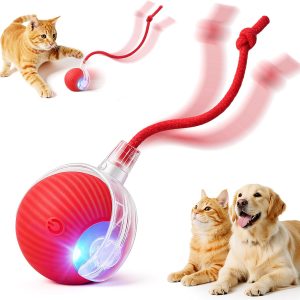
Smart Interactive Automatic Electri…
Product description SilveWillo Pet Toys Add to Cart Add to Cart Add to Cart Add to…
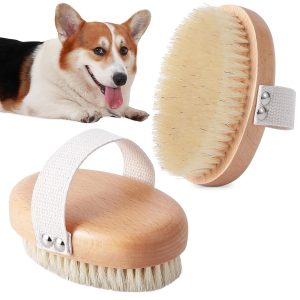
Soft Boar Bristle Pet Palm Brush fo…
Product description Package Dimensions : 5.39 x 3.78 x 1.93 inches; 6.74 ounces Manufacturer…
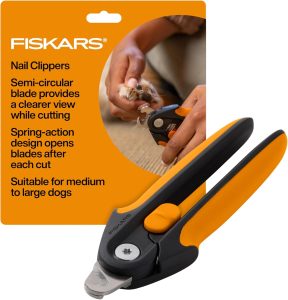
Fiskars Pet Large Nail Clippers, Ca…
Make trimming your larger pet’s nails a less stressful experience. Fiskars Nail Clippers bring the Fiskars…
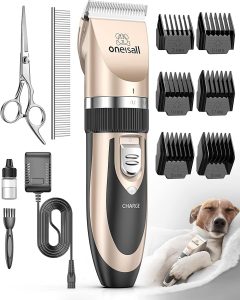
oneisall Dog Clippers Low Noise, Do…
Product description Low Noise Won’t Scare Your Pets oneisall Clippers: Tailoring Your Grooming Experience Add to…
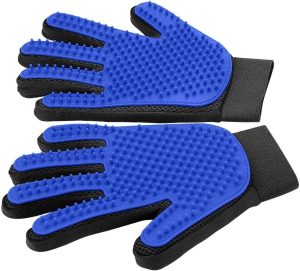
Upgrade Efficient Pet Hair Remover …
Product description Is Discontinued By Manufacturer : No Product Dimensions : 9…
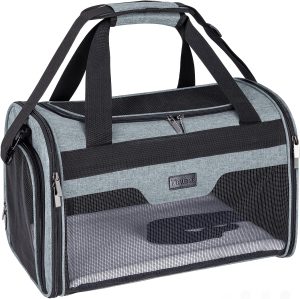
BALEINE Cat Carrier, Puppy Dog Carr…
Product description Product Dimensions : 19 x 12 x 12 inches; 2.27 Pounds Item…
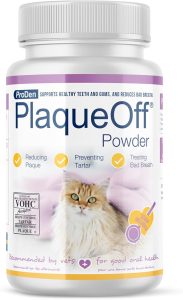
ProDen PlaqueOff Powder for Cats &#…
Product description Is Discontinued By Manufacturer : No Product Dimensions : 2.72…
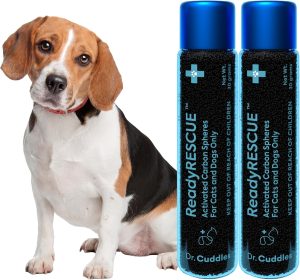
ReadyRESCUE Activated Charcoal micr…
From the brand Date First Available : April 10, 2026 Manufacturer : …
