
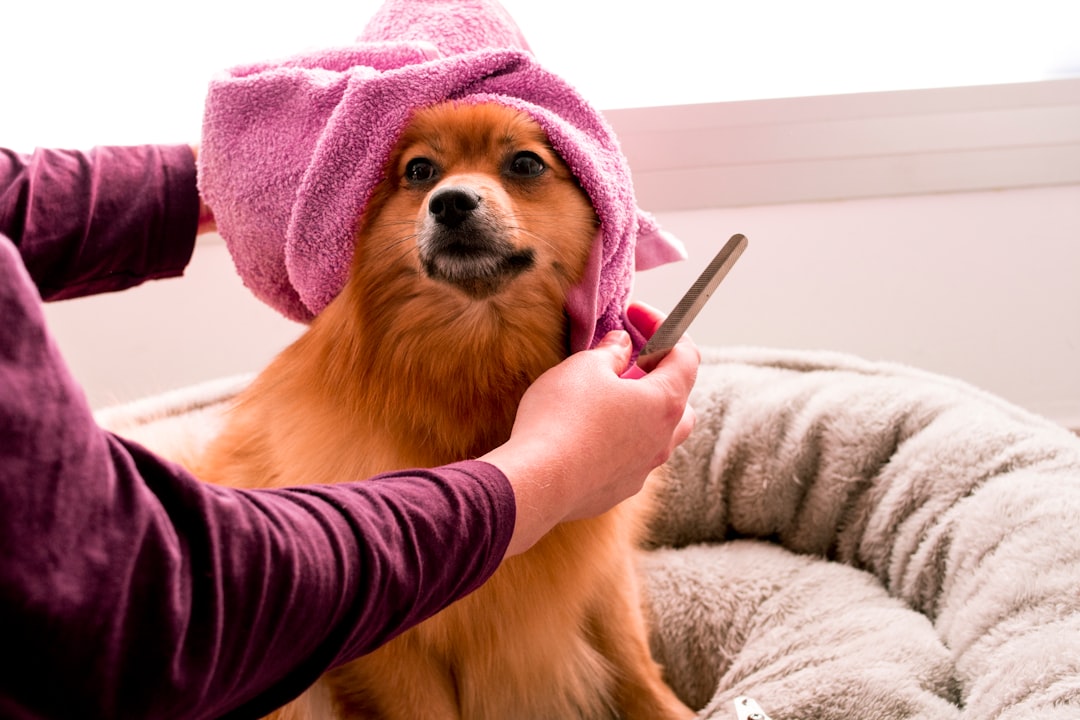
How to Reduce Pet Hair Around the House Naturally
Pet hair is part of sharing your home with a dog or cat, but you don’t have to live under a permanent fur blanket. With consistent, simple habits and the right tools, you can cut visible hair and dander dramatically — without harsh chemicals or endless laundering.
This guide gives practical steps you can use today: grooming, home-care routines, small behavior tweaks, and product choices that make a real difference while keeping things natural and pet-friendly.
Understand Why Your Pet Sheds
Shedding is normal: seasonal coat changes, genetics, diet, stress, and health all play a role. Start by observing patterns — more hair after a certain season, more when indoors, or more around stressful events. That helps you target solutions (diet changes, extra grooming, or stress reduction) instead of just treating the symptom.
Build a Regular Grooming Routine
Consistent grooming is the single most effective way to reduce household hair. Aim for a short daily brushing session for long-haired pets and several times weekly for short-haired pets. Brushing moves loose hair from your pet to your brush instead of your sofa.
For cats and most dogs, a good brush designed for your pet’s coat makes brushing efficient. If you have multiple pet types or coats, check specialized options like Cat Brushes to match the tool to the fur.
For homes with heavy shedding, a deshedding brush or combo set can remove more undercoat. A practical choice is a grooming kit such as the grooming brush combo that combines de-shedding and detangling tools for faster results.
Use the Right Tools: Brushes, Gloves, and Removers
Not all tools are equal. A slicker brush, a bristle brush, a rubber curry brush, and a deshedding tool each serve a purpose. For quick daily maintenance, grooming gloves capture loose hair while giving a massage; they’re ideal for shy pets and quick touch-ups.
If you want a simple mitt option that works on short and long coats, a product like the deshedding glove collects loose fur and is gentle during baths.
For furniture and fabric cleanup, dedicated tools help more than a lint roller alone. Browse focused solutions under pet hair removers to find reusable brushes, rubber rollers, and adhesive tools that trap and lift hair from upholstery and rugs.
Bathe and Feed for Healthier Coats
Bathing frequency depends on breed and skin sensitivity, but occasional baths using a gentle, natural formula can loosen and remove dead hair and flakes. Use shampoos formulated for pets; avoid human products that dry skin and can increase shedding.
When you need a trusted gentle option, consider a natural shampoo like natural dog shampoo that soothes skin and helps reduce brittle, break-prone fur.
Nutrition matters: omega-3 and omega-6 fatty acids, quality protein, and hydration improve coat strength and reduce shed. Talk to your vet about dietary adjustments or targeted supplements if shedding seems excessive or patchy.
Protect Surfaces and Make Cleaning Easier
Contain hair before it spreads by assigning pet-friendly zones and covering commonly used furniture. Machine-washable, heavy-duty covers protect sofas and beds while being easy to clean.
For cars and travel, a durable protector prevents fur from embedding in upholstery. If you drive with your pet often, a heavy-duty option such as this dog car seat cover keeps fur from spreading through the vehicle and saves time on cleanup.
At home, consider washable pet-safe throws and a dedicated blanket where pets nap; washing those weekly removes the bulk of shed hair before it migrates around the house. You can also use a fitted pet cover or hammock-style protector for frequent spots — look at options under the Dog Seat Covers category for ideas that work on furniture as well as cars.
Trim, Maintain, and Manage Undercoat
Some breeds benefit from occasional trimming or a tidy-up haircut to reduce loose bulk. If you prefer to handle maintenance at home, a quiet, efficient clipper reduces stress for the animal and sheds less fur during the process.
For heavier coats or bodies that mat, consider a reliable clipper like the dog clippers made for thick coats and low-noise operation to keep grooming calm and controlled.
Keep nails trimmed and skin checked during grooming: irritated skin and mats increase shedding and can harbor more hair when loosened, so a full maintenance approach pays off.
Daily Habits That Cut Hair Spread
Small changes add up: wipe paws at the door, use a microfibre mat under food and water bowls, and assign a “no-pet” zone for at least one couch or bedroom to keep hair-free zones. Vacuum high-traffic areas every other day and use a damp microfiber cloth for quick pickups on hard floors.
Checklist: Quick Wins to Reduce Pet Hair
- Brush pet daily (or several times weekly for short coats).
- Use a deshedding glove or brush during grooming sessions.
- Bathe with a gentle pet shampoo as needed.
- Protect furniture and car seats with washable covers.
- Vacuum and wipe surfaces regularly with a damp cloth.
- Provide a balanced diet and supplements if recommended by your vet.
- Trim or clip heavy coats seasonally to control undercoat.
FAQ
How often should I brush my dog or cat?
Daily for long-haired pets; at least 2–3 times a week for short-haired breeds. Increase frequency during seasonal shedding.
Will bathing reduce shedding permanently?
No — bathing helps remove loose hair and flakes temporarily and improves coat health, but regular brushing and nutrition are needed for long-term reduction.
Are grooming tools safe for sensitive skin?
Yes, if you choose tools appropriate to coat type and use gentle technique. For sensitive animals, soft-bristle brushes or grooming gloves are a good start.
Can I reduce shedding by changing my pet’s food?
Improving diet often helps. Foods rich in omega fatty acids and high-quality protein support skin and coat health; consult your vet before major changes.
What’s the easiest tool to remove hair from furniture?
Reusable pet hair removers designed for upholstery or rubber brushes work well. For quick touch-ups, a damp microfiber cloth lifts hair from fabric and hard surfaces.
Should I trim or shave my pet to stop shedding?
Trimming can reduce loose bulk, but shaving is not necessary for most breeds and can affect coat texture and sun protection. Consult a groomer or vet for breed-specific advice.
Conclusion
Reducing pet hair naturally is about consistency: daily grooming, the right tools, a few protective measures, and attention to diet and health. Start with one new habit this week — a short daily brush or a washable cover on your favorite chair — and build from there. Small, steady changes keep your home cleaner and your pet more comfortable.
Products Featured in This Article

Dog Car Seat Cover, 600D Heavy Dute…
Product description Product Comparison Add to Cart Add to Cart Add to Cart Add to Cart…
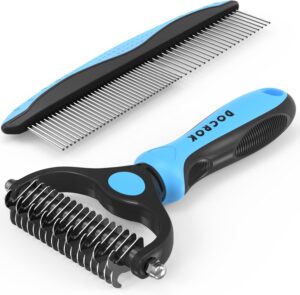
Docrok Pet Grooming Combo – B…
Product description Made of 100% rust-resistant stainless steel and premium TPR handle, Docrok dog brush and…
4-Legger Certified Organic Dog Sham…
Product description Add to Cart Add to Cart Customer Reviews 4.5 out of 5 stars 7,586…

oneisall Dog Clippers for Grooming …
Product description 1 Dog clippers for thick 2 Battery Display 3 Safety Lock 4 Digital display…
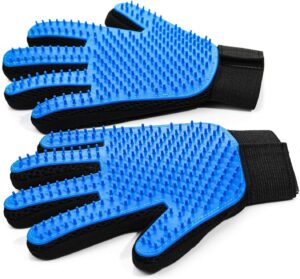
NVNAN Pet Hair Removal Glove for Do…
Product description Package Dimensions : 9.49 x 6.34 x 0.55 inches; 4.16 ounces Item…
